• healthy meal prep container, pencil and measuring tape on a table

    What to Do When Fat Loss Stalls

    Hitting a fat loss plateau is one of the most frustrating parts of the process. You start well, see changes, notice the scale moving or clothes fitting better… and suddenly everything seems to stop. You keep doing “the same thing,” but the result no longer appears.

    The first step is not to panic. A plateau does not always mean you are doing everything wrong. Sometimes it is a normal fluctuation. Other times it means you need to adjust calories, activity, training, recovery, or consistency. The key is knowing the difference.

    Quick answer

    If fat loss stalls, do not change everything at once. First confirm whether it is a real plateau, check your average weight, waist measurements and photos, review your actual intake, and adjust only one or two variables: calories, steps, protein, sleep, or consistency.

    Note: this content is informational and does not replace individualized medical, nutrition, or training advice. If you have a medical condition or specific needs, consult a qualified professional.

    Before adjusting: confirm whether you are actually stuck

    Many people think they are stuck because the scale has not moved for three or four days. But body weight changes because of water, salt, stress, sleep, digestion, menstrual cycle, and training. That is why trends matter more than isolated numbers.

    Look at the average

    One weigh-in says very little. Weekly averages are much more useful.

    Measure your waist

    Sometimes body weight changes slowly while measurements still improve.

    Review 2–3 weeks

    Do not make big decisions because of one strange week.

    7 steps to break through a fat loss plateau

    1. Do not cut calories immediately

    Lowering calories right away can work, but it can also make the process harder than necessary. First confirm that the plateau is real and not just a normal fluctuation.

    2. Review your actual intake

    Sometimes the problem is not the plan but small drift: growing portions, higher weekends, sauces, oils, snacks, or drinks you are not counting.

    3. Increase daily activity

    Before reducing food, it can be useful to increase steps, walk more, or move better during the day. Small sustained changes can unlock progress.

    4. Prioritize protein and filling meals

    If hunger is increasing, do not cut blindly. Make sure your meals include enough protein, volume, and foods that help you sustain the deficit.

    5. Do not change your routine every week

    Changing everything constantly makes it impossible to know what works. Keep a reasonable structure and adjust calmly, not from frustration.

    6. Improve sleep and recovery

    Poor sleep can increase hunger, reduce energy, and worsen decisions. If you are exhausted, the plan usually feels harder and less sustainable.

    7. Adjust one variable at a time

    If you need to adjust, keep it simple: reduce calories slightly, increase steps, or improve meal structure. Do not change diet, training, cardio, and schedule all at once.

    When it makes sense to lower calories

    If several weeks pass with no change in average weight, measurements, photos, or sense of progress, and you know you are following the plan well, it can make sense to slightly reduce intake or increase activity.

    • Small reduction: you do not need a huge drop all at once.
    • More steps: walking more may be more sustainable than eating less.
    • Better structure: meal prep, protein, and timing can improve adherence without changing too many calories.

    A plateau does not mean failure

    Plateaus are part of the process. The important thing is not to react with extremes: do not quit, do not slash calories aggressively, and do not change everything without knowing what is actually failing.

    When you learn to adjust calmly, the plateau stops being a wall and becomes a signal to review your system better.

    Frequently asked questions

    How long before calling it a plateau?

    As a practical reference, wait at least two or three weeks while looking at trends, not just a couple of days without change.

    Should I eat less if I plateau?

    Not always. First review adherence, steps, measurements, sleep, and portions. If everything is in place, then you can adjust slightly.

    Could it be water retention?

    Yes. Stress, salt, sleep, intense training, and the menstrual cycle can change scale weight without fat gain.

    You may also find useful

    Next step

    A plateau is easier to solve with structure than desperation.

    If you want to keep losing fat without improvising every adjustment, Radikal Reset is designed to help you organize meals, training, habits, and progress tracking.

    See Radikal Reset
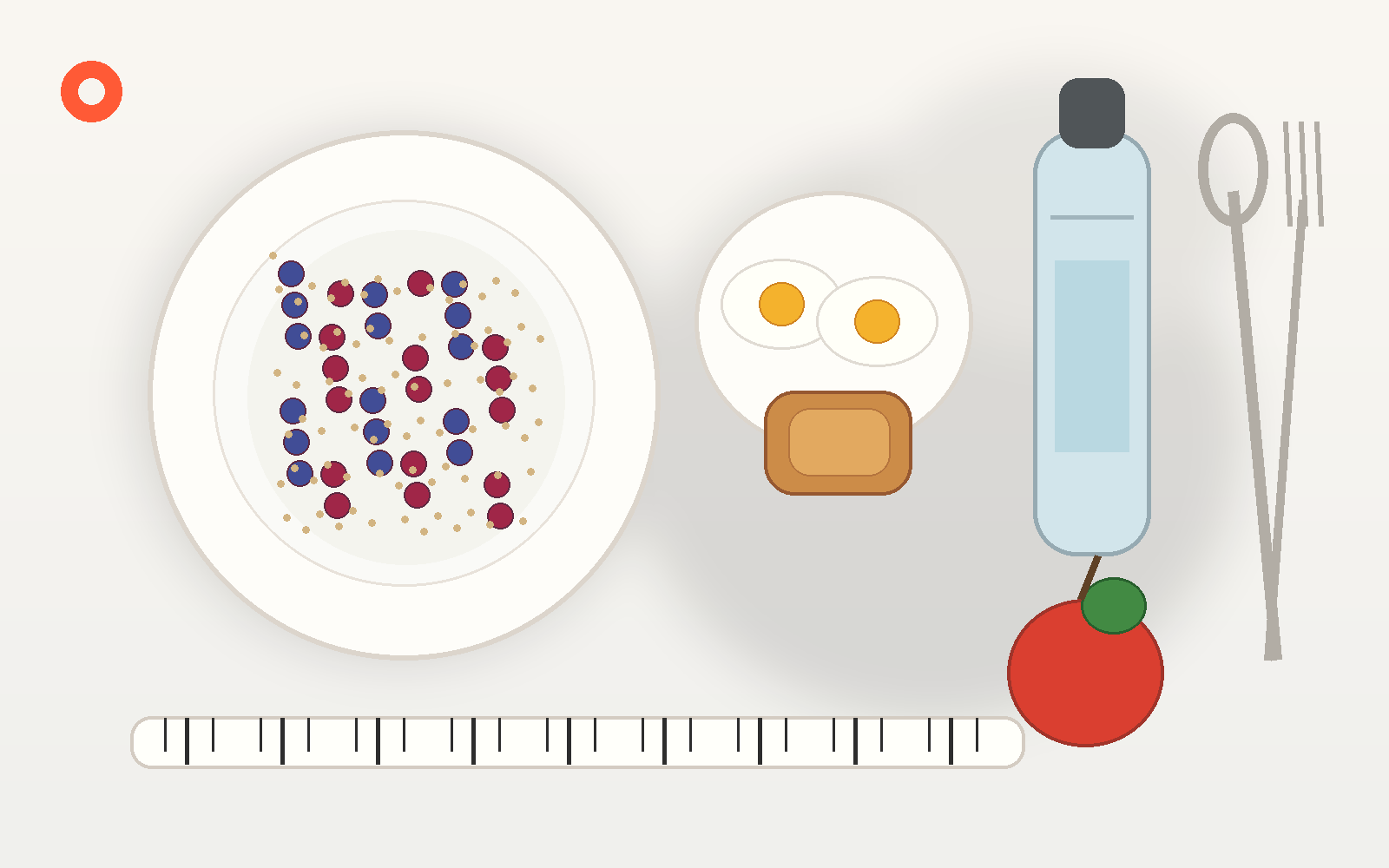
  • Bowl of yogurt with berries, eggs, toast, apple, water bottle and measuring tape on a table

    Why You Feel Hungry All Day When Trying to Lose Weight

    Feeling hungry all day when trying to lose weight does not necessarily mean you lack willpower. Very often, it means your strategy is poorly built: you eat too little, choose meals that are not filling, do not prioritize protein, or try to change everything too fast.

    Fat loss requires some level of deficit, but it should not feel like a constant fight against hunger from morning to night. If that happens, the problem is usually not that you are “bad at this,” but that you need a smarter structure.

    Quick answer

    If you feel hungry all day while trying to lose weight, check these five things: your deficit may be too aggressive, you may eat too little protein, your meals may lack volume, your sleep may be poor, or your meals may be too improvised.

    Note: this content is informational and does not replace individualized medical, nutrition, or training advice. If you have a medical condition or specific needs, consult a qualified professional.

    Some hunger can be normal. Constant hunger is not

    When you eat less than you burn, it is normal to have a bit more appetite at certain times. But if every day feels like a battle, the plan is probably too aggressive or your meals are poorly designed.

    Sustainable deficit

    Fat loss does not require eating very little. It requires eating slightly less than you burn and being able to maintain it.

    Filling meals

    The same number of calories can feel very filling or barely satisfying depending on how the meal is built.

    Daily structure

    Improvising while hungry usually works worse than having 3 or 4 reliable meals already planned.

    7 reasons you feel hungry all day when trying to lose weight

    1. Your deficit is too aggressive

    If you cut too many calories from the start, you may lose quickly for a few days, but hunger can spike. A more moderate deficit is less dramatic but much easier to sustain.

    2. You eat too little protein

    Protein helps meals feel more satisfying. If breakfast, lunch, or dinner are low in protein, it is easier to feel hungry before the next meal.

    3. Your meals have too little volume

    A small calorie-dense meal can leave you hungry. Vegetables, fruit, potatoes, legumes, soups, or plain yogurt can add volume and fullness.

    4. You eat too little at breakfast or dinner

    Some people try to save calories by eating very little in one part of the day, but then arrive too hungry and end up snacking or compensating later.

    5. You sleep poorly

    Poor sleep can increase appetite, worsen decisions, and make the process feel much harder. It is not only about food: recovery matters too.

    6. You drink calories without noticing

    Juice, alcohol, coffee drinks with extras, or calorie-containing drinks can add energy without much fullness. They are not forbidden, but they should count.

    7. You do not have clear base meals

    If every meal depends on what you feel like in the moment, hunger decides for you. Repeatable options reduce chaos and help you choose better.

    How to reduce hunger without quitting fat loss

    • Make the deficit more moderate if hunger is unbearable.
    • Add protein to your main meals.
    • Include more high-volume foods: vegetables, fruit, legumes, potatoes, or soups.
    • Plan useful snacks instead of just trying to hold on until you break.
    • Improve sleep whenever you can: it matters more than people think.

    It is not about suffering more. It is about designing better

    Many people think losing weight means tolerating hunger. But if hunger is constant, the plan usually breaks. A smarter strategy aims to lose fat with a manageable level of hunger.

    The key is to build meals that help you: enough protein, good volume, reasonable timing, and less improvisation. That does not make the process magical, but it makes it much more sustainable.

    Frequently asked questions

    Is it normal to feel hungry during fat loss?

    Some hunger can be normal, but it should not be constant or unbearable. If it is, the plan should be adjusted.

    Does eating more protein help with hunger?

    Yes, it often helps meals feel more satisfying, especially when combined with vegetables, fruit, or well-chosen simple carbs.

    Should I use a smaller calorie deficit?

    If you feel hungry all day and cannot sustain the plan, probably yes. A moderate deficit usually works better long term.

    You may also find useful

    Next step

    You do not need to feel hungry all day. You need a better structure.

    If you want to lose fat with more filling meals, less improvisation, and a clearer system, Radikal Reset is designed to help you organize the process.

    See Radikal Reset
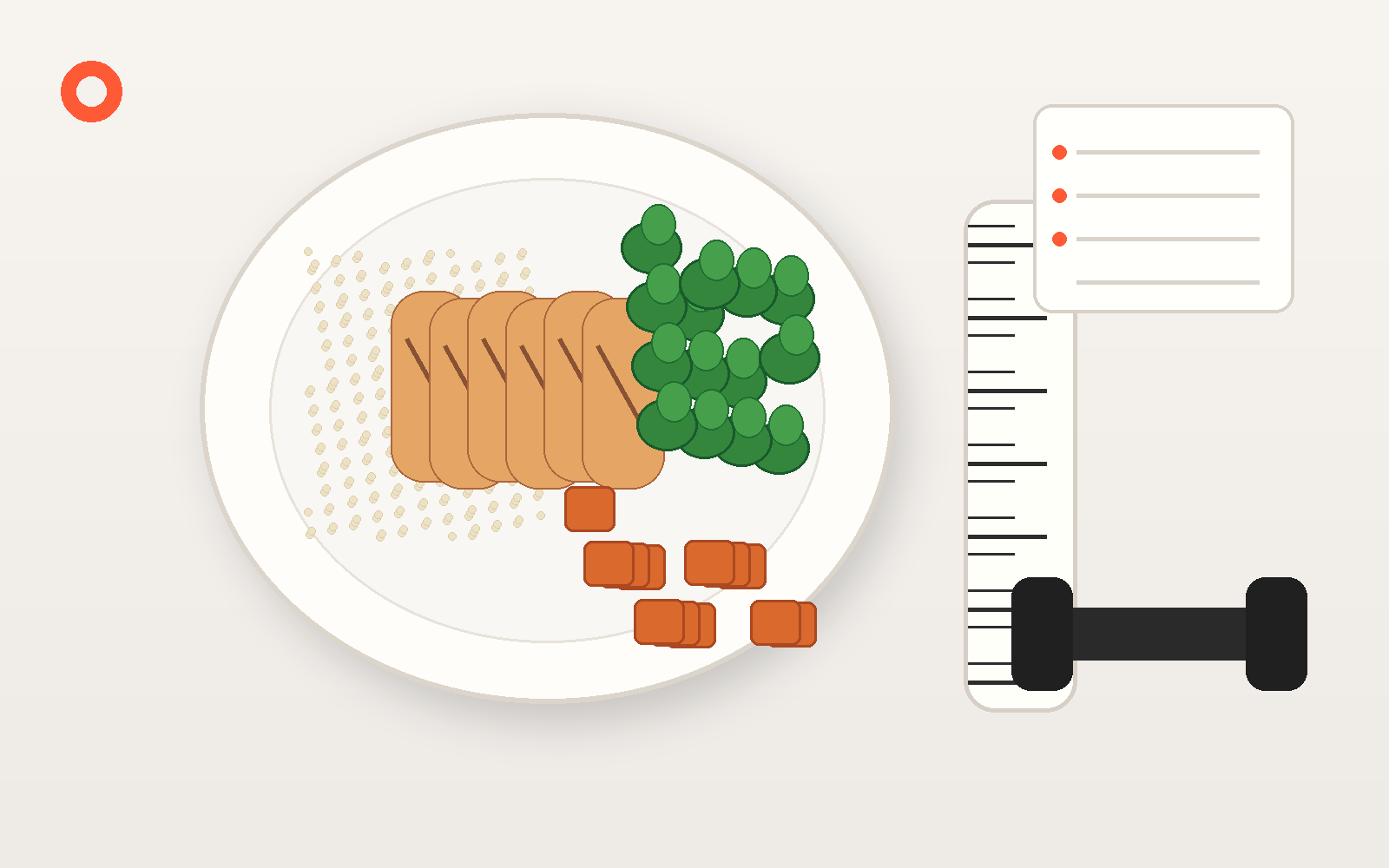
  • Healthy plate with chicken, rice, broccoli and sweet potato next to a measuring tape, planning notebook and dumbbell

    Fat Loss Mistakes That Stop Progress Even When You Eat Well

    There is one sentence people often say when they are trying to lose fat but nothing changes: “but I eat well.” And often, that is true. They are not living on junk food, eating pizza every night, or drinking soda all day. The problem is that eating “well” does not always mean eating in a way that supports fat loss.

    You can choose healthy foods and still not be in a calorie deficit. You can train often and still compensate by eating more. You can have good intentions and still be stuck because of small mistakes that repeat every week.

    Quick answer

    If you are not losing fat even though you eat “well,” the problem is usually one of these: you eat more calories than you think, you do not prioritize protein, you improvise too much, you measure progress poorly, or you expect results too quickly.

    Note: this content is informational and does not replace individualized medical, nutrition, or training advice. If you have a medical condition or specific needs, consult a qualified professional.

    Eating well does not always mean eating for fat loss

    Food quality matters, but fat loss also depends on total quantity, fullness, protein, consistency, and the context of the whole week.

    Healthy does not mean low-calorie

    Nuts, olive oil, avocado, and granola can be useful foods, but they can also be very calorie-dense.

    Training does not compensate for everything

    A workout can help a lot, but it does not automatically erase a disorganized week.

    The full week counts

    You can do well Monday to Thursday, but the weekend can wipe out the deficit if there is no structure.

    8 mistakes that stop fat loss even when you eat well

    1. Comer más de lo que necesitas sin darte cuenta

    Las porciones, los “picoteos pequeños”, los aceites, las salsas y las bebidas calóricas suman más de lo que parece. No necesitas obsesionarte, pero sí tener una referencia realista.

    2. No priorizar suficiente proteína

    La proteína ayuda a la saciedad y a mantener masa muscular. Si tus comidas son saludables pero pobres en proteína, es más fácil pasar hambre.

    3. Improvisar demasiadas comidas

    Improvisar a diario aumenta las probabilidades de elegir peor, comer más rápido o resolver con lo primero que encuentras.

    4. Medir mal el progreso

    Pesarte un solo día, ignorar medidas o no mirar tendencias puede darte una imagen falsa del proceso.

    5. Esperar resultados demasiado rápido

    La pérdida de grasa sostenible suele necesitar semanas, no días. Si esperas cambios enormes en una semana, es fácil frustrarte.

    6. Entrenar mucho y descuidar la comida

    Entrenar ayuda, pero no sustituye una estructura básica en la comida.

    7. Subestimar alcohol y fines de semana

    Si cada fin de semana se descontrola, es fácil que el déficit de lunes a viernes desaparezca.

    8. No tener un plan claro

    Muchas personas no necesitan más fuerza de voluntad. Necesitan menos decisiones caóticas y una estructura simple.

    What to do instead

    • Crea una referencia calórica, aunque sea aproximada.
    • Prioriza proteína en desayunos, comidas y cenas.
    • Planifica varias comidas de la semana para improvisar menos.
    • Mide progreso con tendencia, no con un solo peso aislado.
    • Ten paciencia: si el plan es razonable, dale tiempo suficiente.

    The problem is usually not lack of intention

    Muchas personas quieren cambiar de verdad. Lo que ocurre es que intentan hacerlo con demasiada improvisación y poca estructura.

    Cuando ordenas las comidas, reduces errores repetidos y tienes una forma clara de actuar, el proceso se vuelve menos caótico y mucho más sostenible.

    Frequently asked questions

    ¿Por qué no pierdo grasa si como saludable?

    Porque comer saludable no garantiza un déficit calórico. Puedes elegir buenos alimentos y aun así comer más energía de la que gastas.

    ¿Tengo que contar calorías para solucionarlo?

    No siempre, pero tener una referencia durante un tiempo puede ayudarte a detectar errores que no ves a simple vista.

    ¿Cuánto tarda en verse el cambio?

    Depende del punto de partida, pero conviene valorar tendencias de varias semanas, no cambios de pocos días.

    You may also find useful

    Next step

    No necesitas hacerlo perfecto. Necesitas dejar de repetir los mismos errores.

    Si quieres perder grasa con menos caos y más dirección, Radikal Reset está pensado para ayudarte a crear una estructura clara: mejores comidas, mejores hábitos y un proceso más fácil de sostener.

    See Radikal Reset
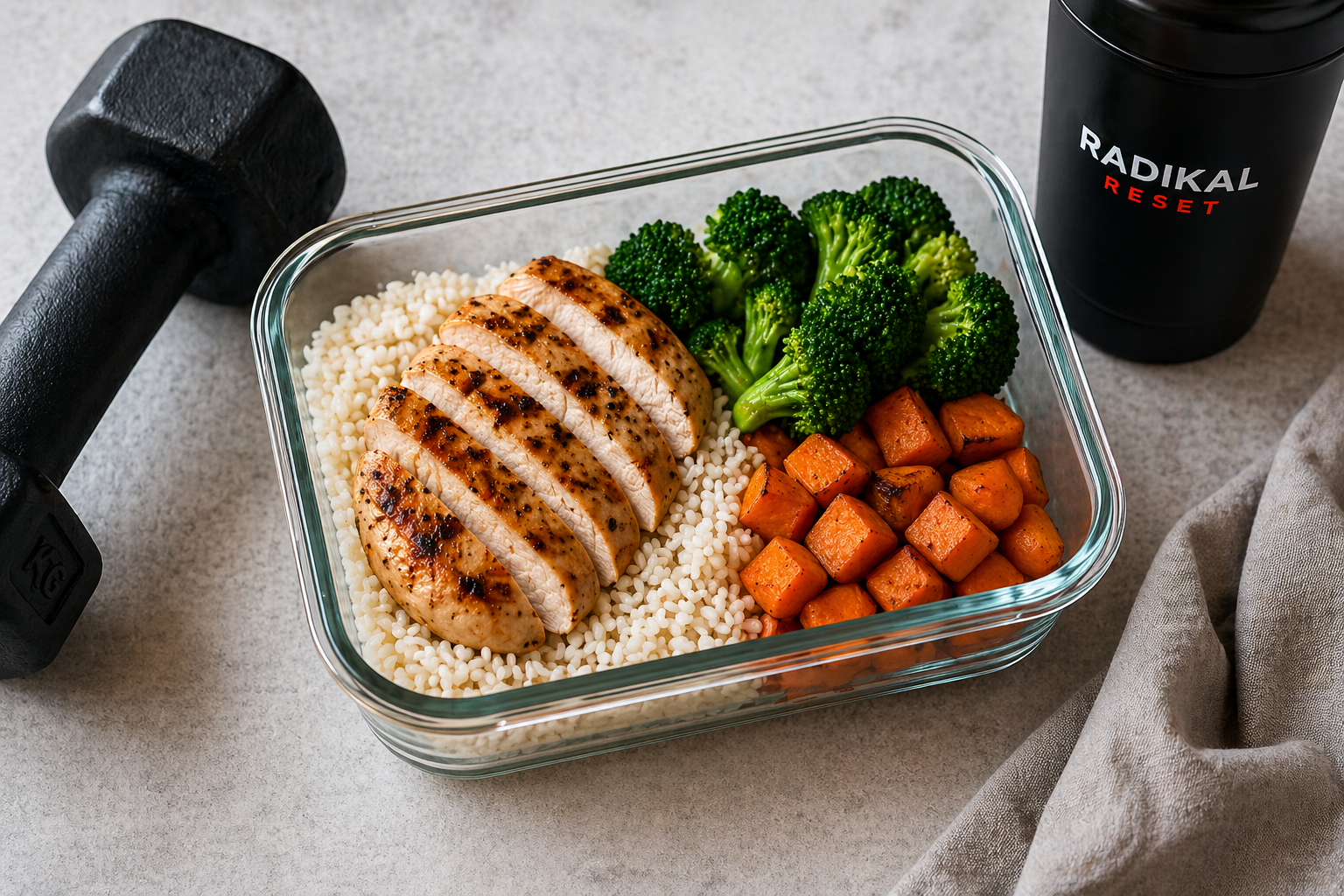
  • Healthy meal prep container with grilled chicken, rice, broccoli and sweet potato next to a dumbbell and a shaker

    How to Calculate Your Calories to Lose Fat Without Going Crazy

    Calculating calories to lose fat does not have to become an obsessive process or a life sentence of checking apps and scales all day. Used properly, it is simply a way to guide yourself toward eating a little less than you burn without doing it blindly.

    The problem is that many people approach this in an extreme way: either they try to calculate everything down to the gram, or they leave everything to chance. Usually, neither approach helps much.

    Quick answer

    To lose fat, you need to eat slightly less than you burn, keep protein at a reasonable level, and maintain that process long enough. You do not need a perfect number. You need the right direction and enough consistency.

    Note: this content is informational and does not replace individualized medical, nutrition, or training advice. If you have a medical condition or specific needs, consult a qualified professional.

    What calculating calories really means

    It means having an approximate reference for how much you eat and what intake might help you start losing fat. It is not a magic number or an absolute truth. It is a useful starting point.

    Daily expenditure

    This is an estimate of the energy you burn through metabolism, activity, and training.

    Calorie deficit

    This means eating a bit less than you burn in order to support fat loss.

    Adjustment

    The first number is rarely perfect. Normally, you adjust based on real progress.

    The 3 basic steps to calculate your calories

    1. Estimate your daily expenditure

    You can use an online calculator as an initial reference. It will not be exact, but it will usually be useful enough to get started.

    2. Create a small or moderate deficit

    In many cases, starting with around 10–20% below your estimated expenditure is enough. You do not need to slash calories hard to begin seeing change.

    3. Observe and adjust

    If two or three weeks pass and nothing changes, you adjust slightly. If you are losing too fast and feel terrible, you adjust too. This is more about correcting well than getting it perfect on day one.

    A simple example

    Imagine you estimate that your daily expenditure is around 2,400 calories.

    A reasonable starting point could be eating around 2,000–2,150 calories per day and watching what happens over the next two weeks. You do not need to obsess over hitting exactly 2,073. You need a useful reference.

    Key idea: fat loss usually depends less on mathematical perfection and more on maintaining the right direction with enough consistency.

    What matters more than counting every calorie

    Enough protein

    This helps you maintain muscle mass and makes the deficit easier to handle.

    Real and filling food

    If your diet is full of ultra-processed foods, the deficit usually feels much harder.

    Consistency

    A reasonable plan followed for weeks usually beats a perfect plan followed for three days.

    Common mistakes when calculating calories

    • Dropping calories too low and only lasting a few days.
    • Assuming your first number is exact and refusing to adjust.
    • Forgetting protein and focusing only on total calories.
    • Relying only on motivation instead of having structure.
    • Quitting because of one bad day as if that ruined everything.

    You do not need to go crazy to do this well

    Many people improve their process dramatically just by using a reasonable reference, a few repeatable meals, and a minimal structure. There is no need to turn every meal into a spreadsheet.

    What matters is not spending all day watching numbers. What matters is using a system that helps you sustain better decisions for long enough.

    Frequently asked questions

    Do I need to weigh all my food to lose fat?

    Not necessarily. It can help at first, but many people do well using reasonable estimates and repeating similar meals.

    How big should my deficit be?

    A small or moderate deficit usually works better than an aggressive one. The key is whether you can sustain it.

    What if I do not lose anything in the first week?

    Do not draw conclusions too fast. Look at two- or three-week trends before changing anything.

    You may also find useful

    Next step

    Losing fat usually does not require more obsession. It usually requires more structure.

    If you want to organize your calories, meals, and habits better without making life harder, Radikal Reset is designed for exactly that: turning nutrition theory into a clearer and more sustainable system.

    See Radikal Reset
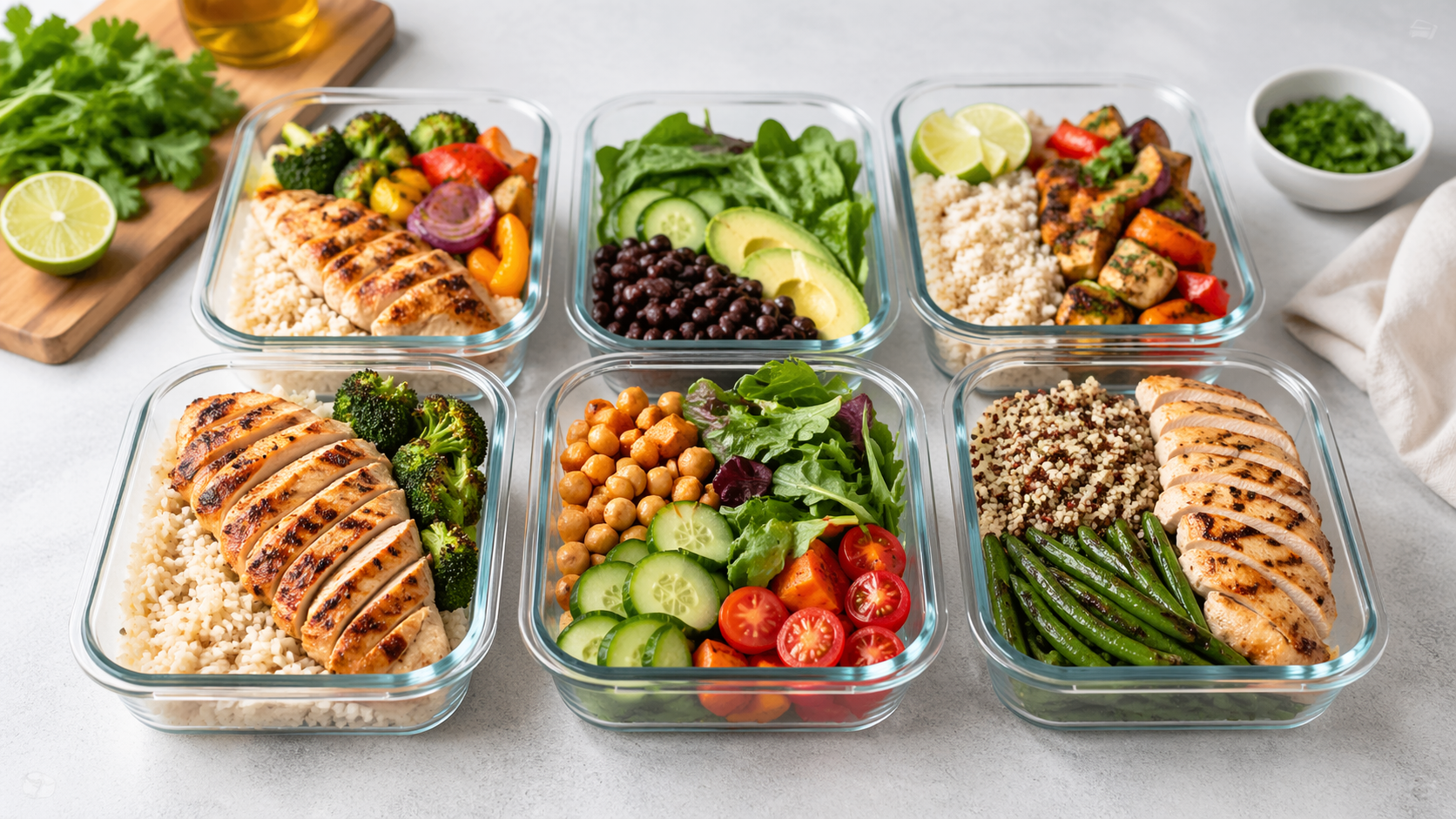
  • Meal prep containers with chicken, rice, vegetables and legumes prepared for several days

    Meal Prep for Fat Loss

    Meal prep is not mandatory, but for many people it can make a huge difference. When meals are prepared, or at least partially solved, you reduce impulsive decisions, save time, and make it much easier to eat in a way that matches your goal.

    That matters even more when you want to lose fat. Not because meal prep is magical, but because it usually helps you control portions better, repeat reasonable decisions, and stop each meal from depending on whatever feels easiest in the moment.

    Quick answer

    Good meal prep for fat loss does not mean cooking twenty perfect containers. It means having several meals or meal bases ready in advance so that eating better during the week requires less effort, less improvisation, and fewer impulsive choices.

    Why meal prep helps so much when you want to lose fat

    Many people do not struggle because they do not know what they should eat. They struggle because work, fatigue, timing, and hunger make every meal feel like a last-minute decision. Meal prep reduces that problem at the root.

    Saves time

    Cooking properly once or twice is often easier than improvising seven rushed meals.

    Improves decisions

    When food is already partly solved, it is much less likely that you end up ordering random meals or overeating.

    Builds consistency

    Fat loss improves when your decisions become repeatable, not when every day depends on fresh motivation.

    How to meal prep for fat loss without overcomplicating your life

    The best strategy is usually not to cook fully closed meals for the whole week, but to prepare versatile components you can combine in different ways. That gives you flexibility and reduces the feeling of eating exactly the same thing every day.

    1. Pick 2 main protein sources

    For example: chicken and turkey, or chicken and salmon, or tofu and legumes if you prefer plant-based meals. The goal is to have a protein base that can support several meals.

    2. Prepare 1 or 2 simple carbs

    Rice, potatoes, sweet potatoes, quinoa, or pasta. You do not need five options. One or two, cooked well, already solve a lot.

    3. Add vegetables that are easy to use

    Broccoli, carrots, zucchini, green beans, washed salad greens, tomatoes, or roasted peppers. The goal is volume, fullness, and practicality.

    4. Use combinations, not rigid recipes

    If you have chicken, rice, vegetables, and a simple sauce, you already have the base for several different meals without cooking from scratch every time.

    Simple meal prep example for 3 or 4 days

    Proteins

    Grilled chicken breast + sautéed turkey

    Carbs

    Cooked rice + roasted sweet potato

    Vegetables

    Steamed broccoli + roasted peppers + salad mix

    Possible combinations

    Chicken with rice and broccoli, turkey with sweet potato and salad, rice with chicken and peppers, salad with turkey and sweet potato.

    Common meal prep mistakes

    • Trying to do too much and turning it into an exhausting session.
    • Preparing only closed meals and getting bored by day two.
    • Not cooking enough and running short halfway through the week.
    • Choosing meals that are not filling enough and then snacking later.
    • Thinking everything must be perfect, when useful is what really matters.

    Meal prep does not mean eating boring food

    It means making decisions earlier. Done well, it does not make you eat worse. It helps you eat with less friction. And that reduction in friction is one of the most underrated advantages when someone wants to lose fat without feeling constantly drained by food decisions.

    In the end, it is not about cooking more. It is about deciding better when it makes sense to cook and what is worth leaving prepared.

    Frequently asked questions

    How many days should I prep for?

    For most people, preparing 3 or 4 days already creates a big improvement without becoming too heavy.

    Is it better to prep full meals or meal bases?

    Versatile bases usually work better because they allow more combinations and less repetition fatigue.

    Does meal prep help if I still eat out some days?

    Yes. You do not need to cover the whole week. Even having two or three meals ready can help a lot.

    You may also find useful

    Next step

    Fat loss usually feels easier when your week is better planned

    If you want to organize your meals, training, and habits better without turning everything into hard work, Radikal Reset is built around exactly that idea: less chaos, more structure, and better decisions repeated over time.

    See Radikal Reset
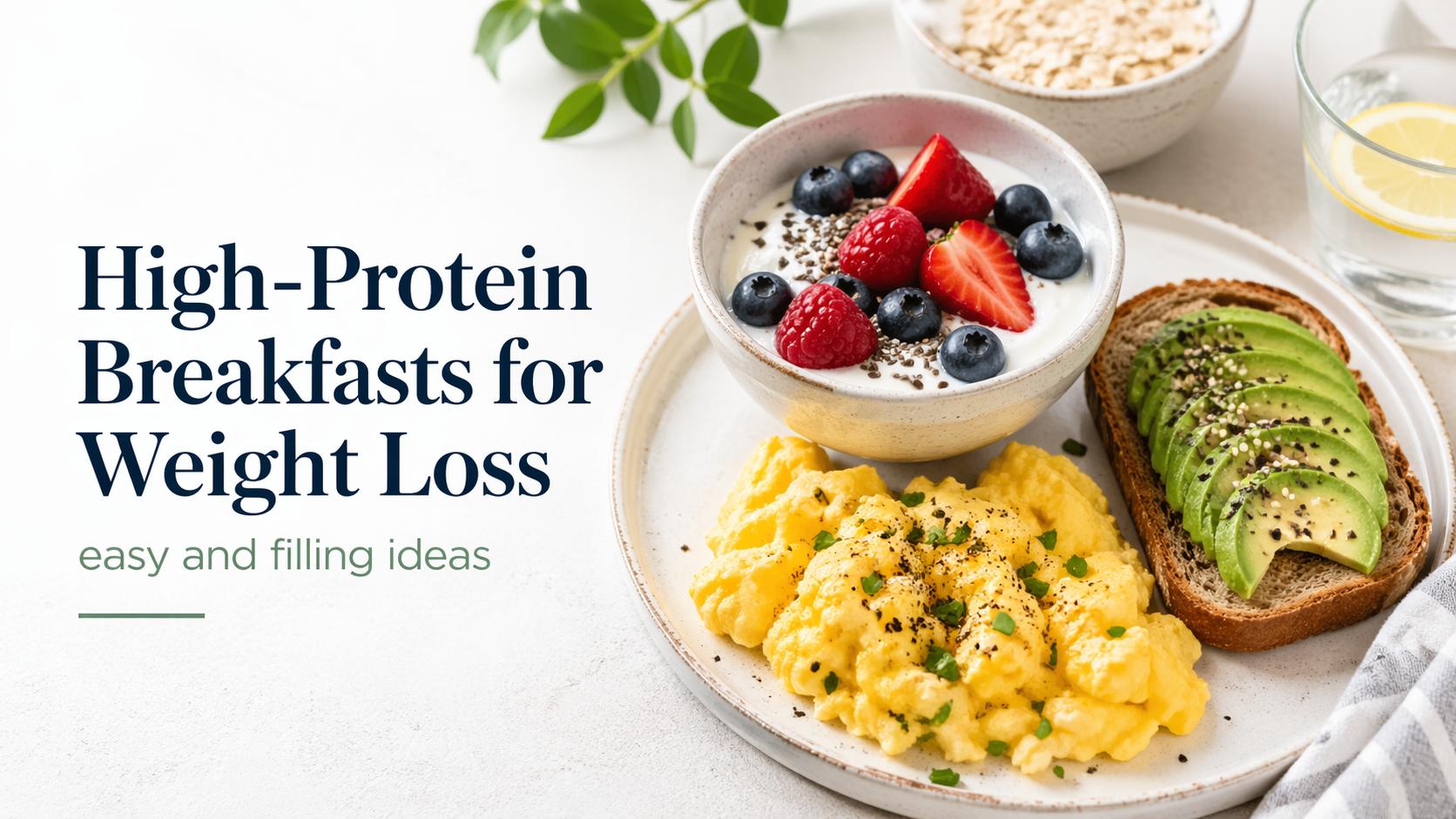
  • Scrambled eggs with avocado toast and a yogurt bowl with berries for a high-protein breakfast

    High-Protein Breakfasts for Weight Loss

    Breakfast is not mandatory for fat loss, but for many people it can be a very useful tool. Especially when it prevents extreme hunger later in the day, improves structure, and reduces impulsive snacking.

    In that context, high-protein breakfasts often work especially well. Not because they are magical, but because they tend to be more filling, more stable, and easier to fit into a realistic fat loss process.

    Quick answer

    A good high-protein breakfast for weight loss should help you start the day feeling fuller, provide around 25 to 40 grams of protein, and be simple enough to repeat without needing extra motivation every morning.

    Note: calories and protein values are approximate. They may vary depending on brands, exact quantities, and preparation methods.

    Why a high-protein breakfast can help

    When breakfast leaves you satisfied, the rest of the day often becomes easier to manage. That does not mean everything depends on the first meal, but a well-built breakfast can give you a more stable base for better decisions later.

    More fullness

    Protein helps breakfast feel more satisfying and can make the next meal easier to reach without excessive hunger.

    Less improvisation

    Having 3 or 4 solved breakfasts reduces daily chaos more than people think.

    Better consistency

    When the day starts with a useful and repeatable meal, the process often feels easier to sustain.

    8 high-protein breakfasts for weight loss

    These ideas are built for real life: limited time, limited mental space, and the need to solve breakfast in a useful way.

    1. Greek yogurt with berries, oats, and seeds

    Very practical, quick, and easy to repeat. It works especially well if you do not want a heavy breakfast but still need fullness.

    Approx. calories: 320–390 kcal · Protein: 24–32 g

    2. Scrambled eggs with wholegrain toast and avocado

    A complete, filling breakfast with a real-meal feel. Very useful if you know your morning tends to feel long.

    Approx. calories: 350–430 kcal · Protein: 22–30 g

    3. Whipped fresh cheese with banana and cinnamon

    Very simple and convenient if you want something quick, fresh, and naturally high in protein.

    Approx. calories: 280–350 kcal · Protein: 25–32 g

    4. Oat, egg-white, and yogurt pancakes

    A good option if you want something a bit more elaborate while still being realistic enough to repeat during the week.

    Approx. calories: 360–430 kcal · Protein: 28–36 g

    5. Protein shake with yogurt, fruit, and oats

    Very useful for busy mornings or when you need breakfast to be portable.

    Approx. calories: 300–380 kcal · Protein: 30–40 g

    6. Wholegrain turkey and fresh cheese sandwich

    Very practical for people who prefer a savory breakfast and do not want long preparation.

    Approx. calories: 320–400 kcal · Protein: 25–33 g

    7. Chia pudding with yogurt and protein powder

    A strong option if you want breakfast ready from the night before and even less morning improvisation.

    Approx. calories: 300–370 kcal · Protein: 25–35 g

    8. Wholegrain toast with smoked salmon and light cream cheese

    A simple and filling breakfast that fits well if you prefer to start the day with something savory.

    Approx. calories: 330–410 kcal · Protein: 24–30 g

    Common breakfast mistakes

    • Eating too little and arriving at lunch with uncontrolled hunger.
    • Choosing fast but low-protein options, such as pastries or sugary cereals.
    • Making mornings too complicated with breakfast ideas that are not realistic to sustain.
    • Not repeating breakfasts that work because you think variety matters more than consistency.

    The key is not to build a “perfect” breakfast

    The key is whether breakfast helps you. If it leaves you more organized, less hungry, and with one useful decision already made early in the day, it is probably doing its job.

    In many cases, what changes results most is not finding the ideal breakfast, but stopping the daily improvisation.

    Frequently asked questions

    Is breakfast necessary for weight loss?

    No. But for many people it can still be useful if it improves structure and helps them eat better later.

    How much protein should breakfast include?

    It depends on the wider context, but many useful breakfasts land between 25 and 40 grams of protein.

    Can I repeat the same breakfast on multiple days?

    Yes. If a breakfast works well for you, repeating it is often one of the best ways to reduce chaos and improve consistency.

    You may also find useful

    Next step

    A better breakfast helps. A better structure helps much more.

    If you want to organize your meals better and stop depending on improvised choices, Radikal Reset is built around exactly that: turning good intentions into a clearer and more sustainable structure.

    See Radikal Reset
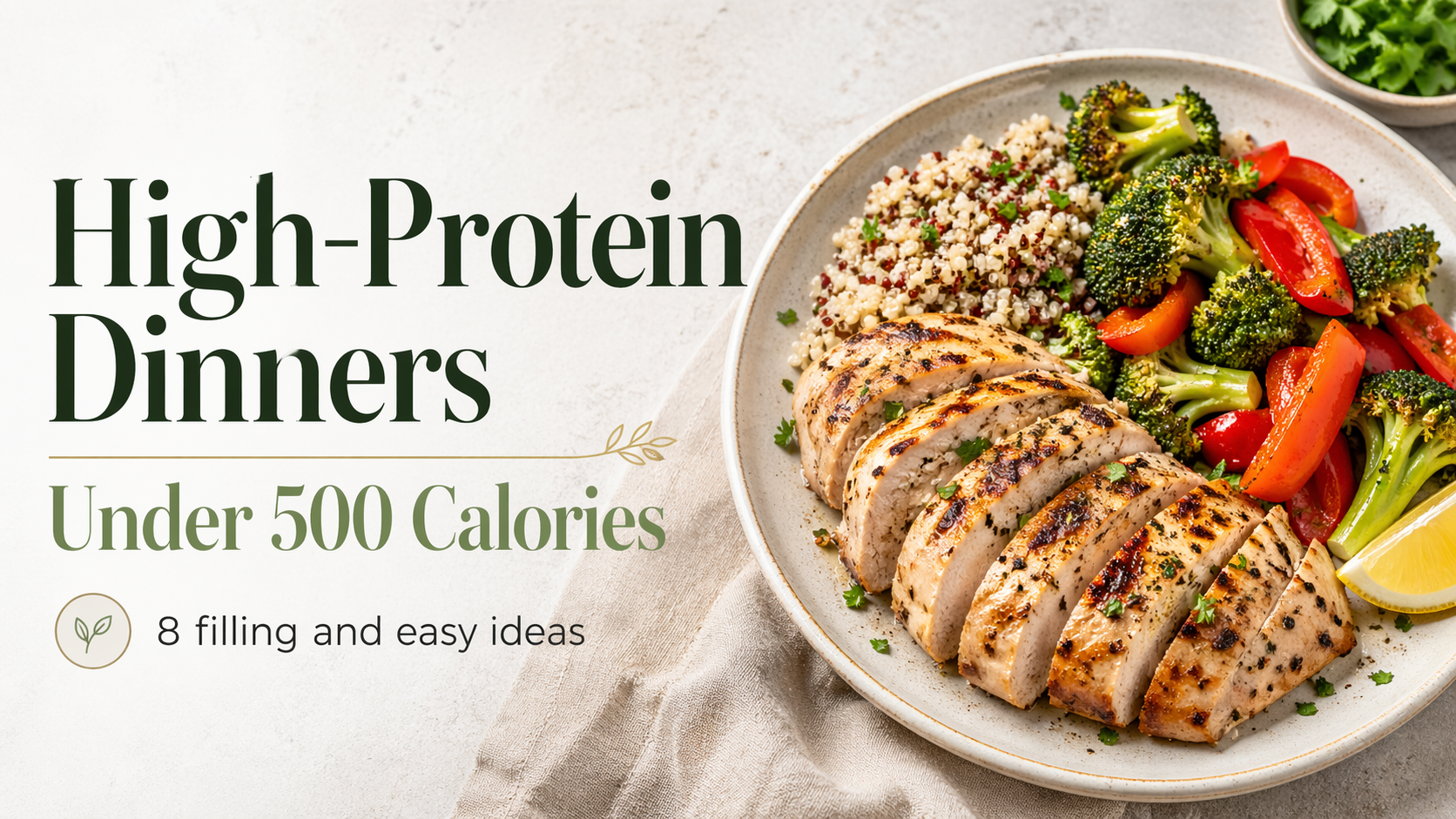
  • Chicken breast with vegetables

    High-Protein Dinners Under 500 Calories

    If you are trying to lose fat, one of the best ways to make the process easier is to stop assuming that a good dinner has to be tiny, bland, or unsatisfying. In practice, a better dinner usually combines enough protein, good food volume, and simplicity.

    That is exactly why high-protein dinners under 500 calories are so useful: they help you finish the day feeling full, improve consistency, and reduce the feeling of being “on a diet” all the time.

    Quick answer

    A good high-protein dinner under 500 calories should usually provide around 25 to 40 grams of protein, be easy to prepare, and leave you satisfied enough not to start snacking later.

    Note: calories and protein values are approximate. They may vary depending on brands, exact quantities, and preparation methods.

    Why these dinners work so well

    Protein is especially useful when you want to improve body composition: it tends to support fullness and make meals feel more stable. If you combine it with vegetables, potatoes, rice, yogurt, or legumes in reasonable portions, you can build dinners that feel complete without pushing calories too high.

    Fullness

    A higher-protein dinner often helps you finish the day in a better place and reduces late-night snacking.

    Simplicity

    If dinner is easy to repeat, it becomes much easier to sustain.

    Calorie control

    Keeping dinner under 500 calories can be useful when the rest of the day is also structured well.

    8 high-protein dinners under 500 calories

    These ideas are designed to be practical. They are not meant to be perfect. They are meant to help you solve dinner with more structure and less improvisation.

    1. Grilled chicken with broccoli and quinoa

    A very balanced, filling, and repeatable dinner. Chicken gives you protein, broccoli adds volume, and quinoa provides a moderate carb base.

    Approx. calories: 430–480 kcal · Protein: 35–42 g

    2. Egg and egg-white scramble with mushrooms and wholegrain toast

    Very useful if you want a quick, warm, protein-rich dinner without overcomplicating things.

    Approx. calories: 330–410 kcal · Protein: 28–34 g

    3. Salmon with zucchini and boiled potatoes

    Slightly higher in healthy fats, but a strong option for people who need dinner to feel genuinely satisfying.

    Approx. calories: 440–500 kcal · Protein: 28–34 g

    4. Large salad with tuna, chickpeas, and tomato

    Fresh, practical, and quite complete if built properly. Very useful on warmer days or when you do not want to cook much.

    Approx. calories: 400–470 kcal · Protein: 28–35 g

    5. Greek yogurt with fruit, oats, and protein powder

    Perfect if you get home late or do not feel like cooking. Structured well, it can be a light but still satisfying dinner.

    Approx. calories: 350–430 kcal · Protein: 30–40 g

    6. Turkey stir-fry with vegetables and rice

    A very practical alternative for anyone who wants a more substantial dinner without overshooting calories.

    Approx. calories: 420–490 kcal · Protein: 32–40 g

    7. Tofu with sautéed vegetables and edamame

    A strong option if you prefer a plant-based dinner but still want enough protein.

    Approx. calories: 380–460 kcal · Protein: 26–34 g

    8. Whipped fresh cheese with berries and nuts

    A very easy dinner for busy days. It works well if you do not like heavy dinners but still want to finish the day with something stable.

    Approx. calories: 300–380 kcal · Protein: 24–32 g

    Common mistakes with these dinners

    • Choosing “light” dinners that are not filling, which often leads to snacking later.
    • Obsessing over calories and forgetting protein.
    • Making dinner too complicated, which hurts consistency.
    • Refusing to repeat useful meals because you think every dinner has to be different.

    The key is not only dinner. It is structure.

    These dinners can help a lot, but progress usually does not depend on a single meal. It depends much more on stopping constant improvisation and starting to repeat sensible decisions with some consistency.

    That is where many people improve for real: when they stop searching for the “perfect dinner” and start building a clearer daily structure.

    Frequently asked questions

    How much protein should dinner include?

    It depends on the full day, but many useful fat loss dinners fall somewhere between 25 and 40 grams of protein.

    Is under 500 calories always better?

    Not necessarily. It can be useful, but only if it fits the rest of your intake and does not leave you too hungry.

    Can I repeat the same dinners on multiple days?

    Yes. In fact, repeating dinners that work well is often one of the easiest ways to reduce chaos and improve consistency.

    You may also find useful

    Next step

    Eating better helps. Having structure helps much more.

    If you want to stop depending on improvisation and organize your physical change process better, Radikal Reset is built around exactly that: bringing more clarity and more continuity where there used to be chaos.

    See Radikal Reset
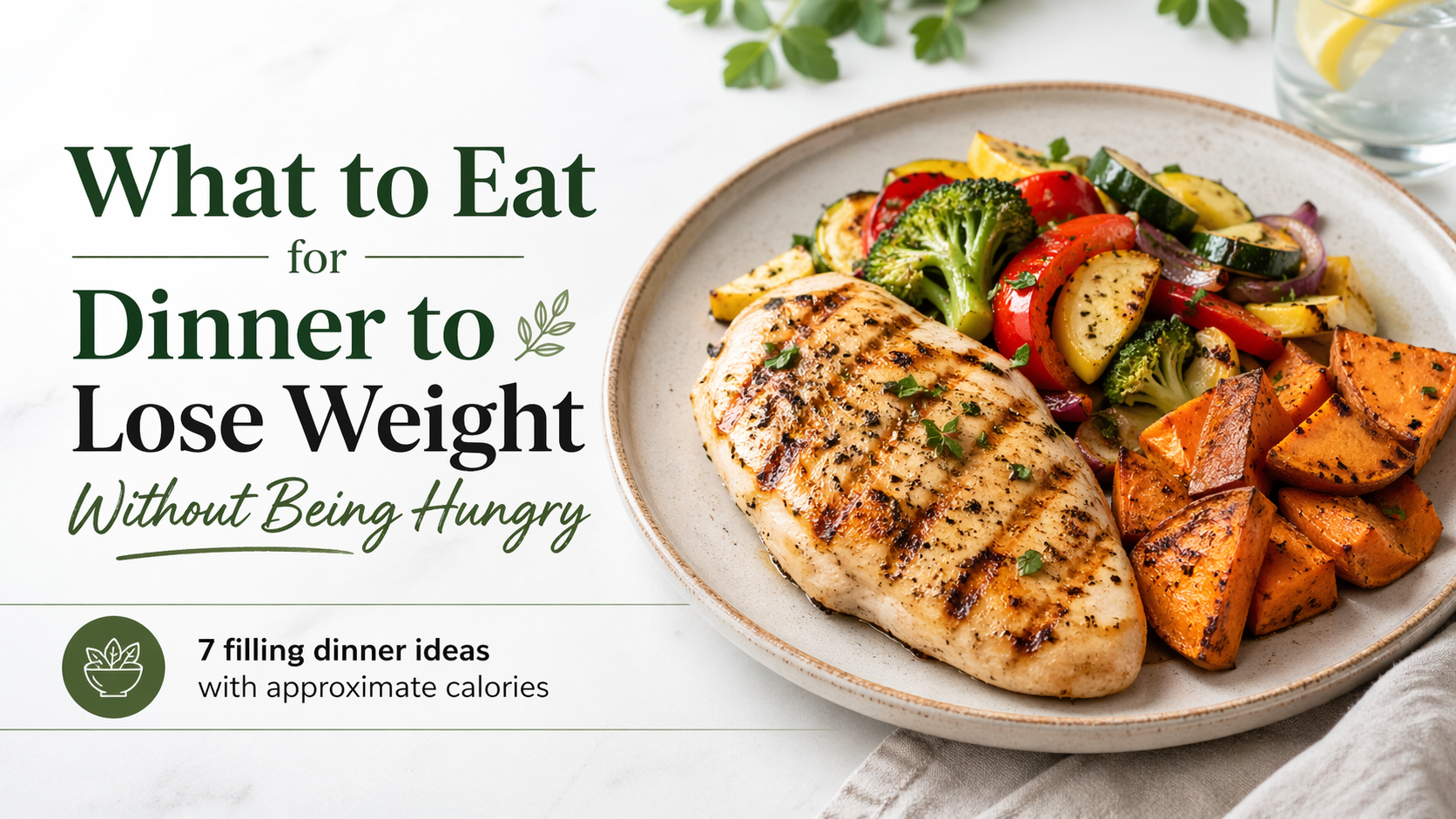
  • Chicken breast with vegetables

    What to eat for dinner to lose weight without being hungry

    Dinner can help your fat loss process much more than people think. The problem is that many people associate a “weight loss dinner” with eating too little, feeling deprived, or ending the day with a sad salad that satisfies no one.

    Quick answer

    If you want to lose weight without feeling hungry, your dinner should be filling, high in protein, moderate in calories, and easy to repeat. In practice, that usually means combining a good protein source, vegetables or high-volume foods, and a reasonable amount of carbs or fats depending on the rest of your day.

    Note: calories and protein values are approximate. They may vary depending on brands, exact quantities, and preparation methods.

    What a dinner for fat loss should include

    There is no single magical dinner for weight loss. What usually works better is a simple structure that leaves you satisfied and helps you finish the day without feeling desperate for more food.

    1. Enough protein

    Eggs, chicken, turkey, tuna, salmon, Greek yogurt, cottage cheese, tofu, or well-structured legumes. Protein supports fullness.

    2. Volume

    Vegetables, soups, salads, stir-fries, and high-volume foods. Not for show, but because they help you feel like you actually ate.

    3. Simplicity

    If dinner takes too much effort or too much mental energy, you will end up improvising. And improvising is often where the plan breaks down.

    7 dinner ideas to lose weight without being hungry

    These ideas are not perfect. They are useful. And when you are trying to sustain a body transformation, that matters much more.

    1. Omelet with sautéed vegetables and boiled potatoes

    A simple, warm, filling option that works especially well when you want dinner to feel like a real meal, not a punishment.

    Approx. calories: 380–430 kcal · Protein: 24–30 g

    2. Greek yogurt with fruit, cinnamon, and a little peanut butter

    Very useful if you eat late, have little time, or want something lighter without drifting into pastries or random snacking.

    Approx. calories: 300–380 kcal · Protein: 20–28 g

    3. Grilled chicken breast with a large salad and rice

    A strong option if you trained earlier or already know you need a more complete dinner to avoid raiding the kitchen later.

    Approx. calories: 430–500 kcal · Protein: 35–45 g

    4. Baked salmon with zucchini and potatoes

    Slightly higher in healthy fats, very satisfying, and useful when it takes more to feel full at the end of the day.

    Approx. calories: 450–520 kcal · Protein: 30–36 g

    5. Egg and egg-white scramble with mushrooms and wholegrain toast

    Great if you want a quick, protein-heavy dinner that still feels like actual food rather than a random snack.

    Approx. calories: 330–410 kcal · Protein: 28–34 g

    6. Full salad with tuna, chickpeas, and tomato

    Very useful in warmer weather or when you want something fresh, but it needs to be built properly so it does not leave you unsatisfied.

    Approx. calories: 400–470 kcal · Protein: 28–35 g

    7. Vegetable soup with whipped fresh cheese and turkey slices

    A comforting option with plenty of volume that still keeps calories under control.

    Approx. calories: 300–390 kcal · Protein: 22–30 g

    Common dinner mistakes

    • Eating too little and ending up snacking later.
    • Cutting all carbs automatically even when that makes dinner less satisfying.
    • Relying on unrealistic “healthy dinners” you do not actually want to eat.
    • Not planning dinner at all and ending the day with whatever is easiest.
    • Thinking only about calories and forgetting protein and food volume.

    So what should you eat for dinner?

    The best dinner for fat loss is not the most extreme one. It is the one you can repeat consistently without ending each day feeling deprived. If a dinner helps you finish the day satisfied, keeps protein high enough, and does not push calories too far, it is probably moving in the right direction.

    And this is where many people struggle: not because they do not care, but because they do not have enough structure. When every dinner depends on improvising, the whole process becomes far more unstable than it looks.

    Frequently asked questions

    Is it bad to eat carbs at dinner if I want to lose weight?

    Not necessarily. What matters is the overall context of your day and whether dinner is well built. For many people, a small amount of rice, potatoes, or bread improves fullness and makes the plan easier to sustain.

    Is it better to eat a very light dinner?

    Only if that works for you. If eating too lightly leads to snacking later, it is usually not a good strategy.

    How many calories should dinner have for fat loss?

    It depends on your full daily context, but many useful fat loss dinners often fall somewhere around 300 to 500 calories when structured properly.

    You may also find useful

    Next step

    Dinner matters. But structure matters more.

    If you want to lose fat without turning every meal into a problem, Radikal Reset is built around one simple idea: bringing structure where there used to be chaos. You can keep exploring the blog or see how the program works.

    See Radikal Reset