Hunger is one of the main reasons people quit weight loss plans. Not because they are weak, but because the plan often creates too much hunger too soon.
You cut calories aggressively. Breakfast becomes too small. Lunch has little protein. You avoid carbs completely. You drink calories without noticing. Then by late afternoon or night, it feels like your body is fighting back.
The goal is not to remove hunger forever. Some hunger can happen during fat loss. The goal is to make hunger manageable enough that you can actually stay consistent.
You feel hungry all day because your meals are probably too low in protein, volume or structure — or your deficit is too aggressive.
Start by fixing the basics: protein in main meals, more high-volume foods, fewer liquid calories, better meal timing and a calorie deficit you can actually repeat.
First: hunger during fat loss is normal, but it should not control your day
A fat loss phase usually involves eating a little less than your body is used to. So yes, some hunger can appear. That does not automatically mean something is wrong.
But feeling hungry all day, thinking about food constantly, losing control at night or needing willpower for every meal is usually a sign that the plan needs adjustment.
Normal hunger
You feel hungry before meals, but you can function, train, sleep and stay consistent.
Problem hunger
You think about food all day, snack constantly, feel irritable or lose control at night.
Useful goal
You do not need zero hunger. You need hunger low enough that the plan is repeatable.
A good fat loss plan should reduce friction, not turn every evening into a battle.
If the plan depends on fighting extreme hunger every day, it is fragile. Better meals, better structure and smarter routines make consistency easier.
1. Your calories may be too low
The fastest way to feel hungry all day is to cut calories too aggressively. This can feel productive at first because the scale may move quickly, but it often creates a rebound later.
Signs your deficit is too aggressive
- You feel hungry soon after every meal.
- You are thinking about food most of the day.
- Training performance is dropping fast.
- You feel irritable, tired or cold more often than usual.
- You are fine during the day but lose control at night.
You do not need the biggest possible deficit. You need a deficit you can repeat long enough to see change.
2. Your meals may be too low in protein
Protein is one of the most important tools for staying full during fat loss. If breakfast is mostly cereal, lunch is mostly pasta and dinner is mostly bread or snacks, hunger will probably be harder to manage.
Better breakfast
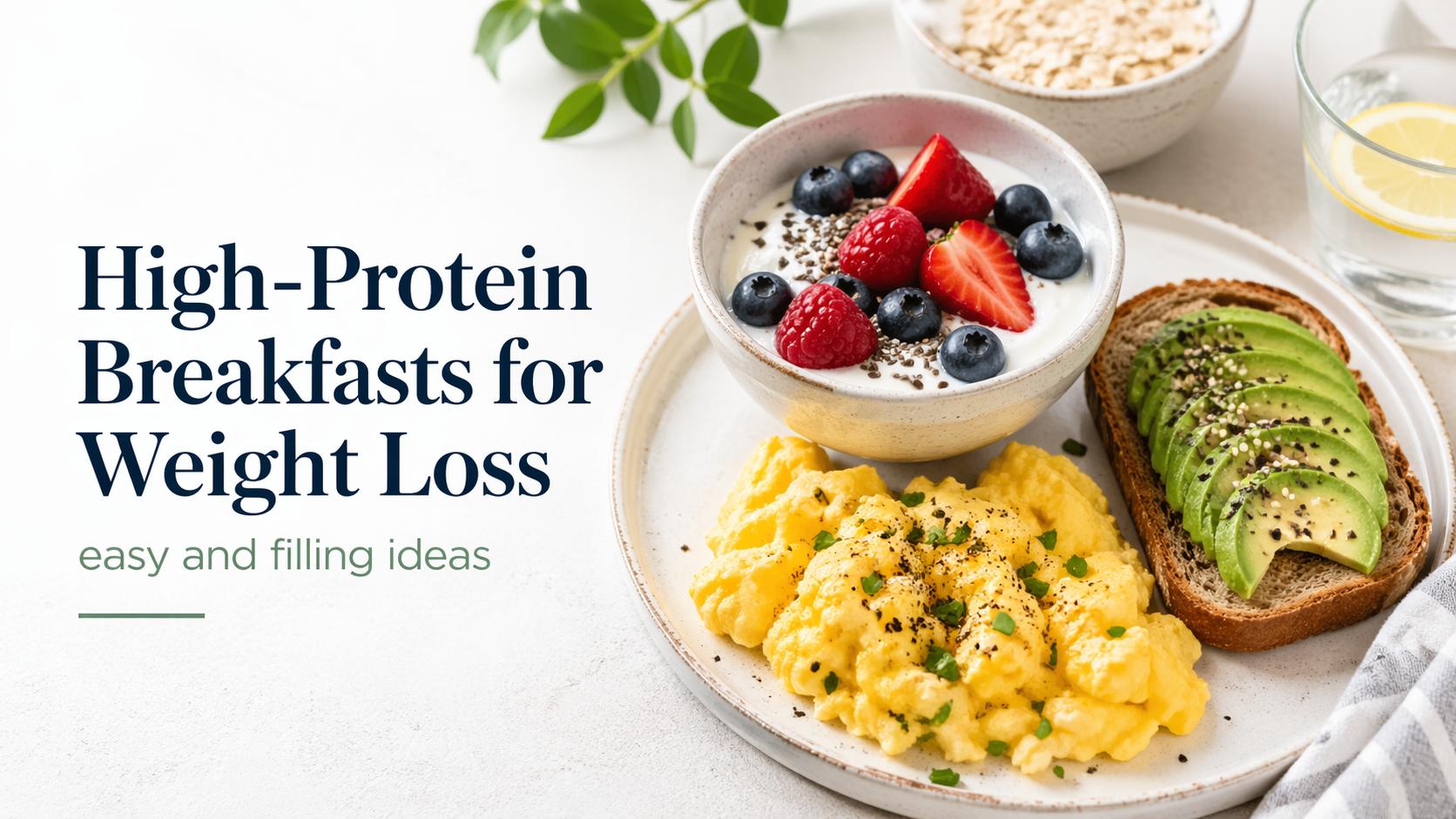
Eggs, Greek yogurt, protein yogurt, cottage cheese, turkey, tofu or a protein smoothie with fruit.
Better lunch
Chicken, tuna, lean beef, fish, legumes with extra protein, tofu or turkey as the base of the plate.
Better dinner
A clear protein source plus vegetables, controlled carbs and a moderate amount of fats or sauce.
3. You are eating calories, but not enough volume
Some foods are very calorie-dense but do not fill much space in your stomach. Oils, nuts, cheese, pastries, sauces, chocolate, chips and small snacks can add up quickly without making you feel full.
High-volume foods help because they let you eat a bigger plate for fewer calories.
4. You may be drinking calories without noticing
Liquid calories are one of the easiest ways to stay hungry while still consuming more calories than you think.
Sweet coffees
Milk, sugar, syrups and cream can turn coffee into a snack without making you feel like you ate.
Juice and regular soft drinks
They can add calories quickly but usually do not reduce hunger as much as solid food.
Alcohol
Alcohol adds calories and can make food choices harder later in the day.
You do not need to drink only water forever. But during fat loss, swapping most calorie drinks for water, coffee, tea or zero-calorie options can make hunger easier to manage.
If your calories are low but your meals are small, sweet, liquid or low in protein, hunger will feel much harder.
The fix is not always “eat less.” Sometimes the fix is building your meals better so the calories you eat actually help you stay full.
5. You are saving too many calories for later
Some people try to “be good” all day by barely eating, then arrive at dinner starving. This often leads to overeating, grazing or feeling out of control at night.
A better approach
- Start the day with a protein-based meal if breakfast helps you control hunger.
- Do not let lunch become too small or too low in protein.
- Use a planned snack if it prevents evening overeating.
- Build dinner before you are already starving.
6. Your sleep and stress may be making hunger worse
Poor sleep and high stress can make cravings and hunger feel stronger. They can also make it harder to choose the meal you planned instead of the food that gives quick comfort.
When sleep is poor
Do not make the day harder with a very low-calorie plan. Keep meals simple and high in protein.
When stress is high
Reduce food decisions. Repeat easy meals, prepare defaults and avoid leaving everything for willpower.
When cravings hit
Check whether you are truly hungry, underfed, tired, stressed or just looking for relief.
How to build meals that keep you full
Use this simple plate structure for most main meals. It is not a strict diet. It is a way to make your meals more filling without overcomplicating things.
Simple hunger fixes you can use this week
Add protein to breakfast
If you get hungry early, do not start the day with only coffee, toast or cereal. Add a clear protein source.
Make lunch bigger in volume
Add vegetables, salad, soup or fruit so lunch is not just a small calorie-dense plate.
Plan an afternoon snack
A high-protein snack can prevent uncontrolled evening eating if the gap between lunch and dinner is long.
Stop drinking calories most days
Use water, coffee, tea, zero-calorie drinks or sugar-free options to save calories for real food.
Do not make dinner tiny
A satisfying dinner with protein and volume can reduce late-night grazing better than a tiny plate.
Hunger management is not cheating. It is what makes fat loss sustainable.
The goal is not to see who can suffer more. The goal is to build meals and routines that help you stay consistent long enough to see change.
Hunger checklist
Related guides
You do not need to spend the whole day hungry to lose fat.
Radikal Reset uses simple nutrition rules, strength training, movement and structure so you can lose fat without relying on extreme hunger or daily willpower battles.