• Persona organizando su semana con calendario, lista de compra, comida preparada, ropa de entrenamiento y botella de agua

    Cómo organizar tu semana para comer mejor y entrenar más

    Organizar tu semana para comer mejor y entrenar más no va de vivir como un robot. Va de reducir el caos. Cuando no tienes nada pensado, cada comida depende del hambre, cada entrenamiento depende de las ganas y cada semana empieza con buenas intenciones, pero termina improvisada.

    La organización no tiene que ser perfecta ni complicada. Con una planificación básica de comidas, entrenamientos y momentos difíciles, puedes mejorar mucho tu constancia sin sentir que tu vida gira alrededor del fitness.

    Respuesta rápida

    Para organizar tu semana y comer mejor y entrenar más, define 3 comidas base, 2–4 sesiones de entrenamiento, una compra sencilla, un plan para días ocupados y un momento semanal de revisión. La clave no es planificarlo todo al milímetro, sino tener menos decisiones que improvisar.

    Nota: este contenido es informativo y no sustituye asesoramiento médico, nutricional o deportivo individualizado. Si tienes una condición médica o necesidades específicas, consulta con un profesional cualificado.

    La semana se gana antes de que empiece

    Mucha gente intenta decidir todo en el momento: qué comer cuando ya tiene hambre, si entrenar cuando ya está cansada y qué comprar cuando ya no queda nada útil en casa. Así es muy difícil ser constante.

    No necesitas controlar cada minuto. Solo necesitas preparar las decisiones importantes para que, cuando llegue el cansancio, el camino correcto sea más fácil.

    Comidas base

    Opciones repetibles que reducen improvisación.

    Entrenos con hora

    Si no tienen hueco en la semana, es fácil que desaparezcan.

    Plan B

    Días difíciles, cenas fuera, prisas y cansancio también cuentan.

    7 pasos para organizar tu semana sin complicarte

    1. Elige tus días reales de entrenamiento

    No empieces preguntando cuántos días sería ideal entrenar. Pregunta cuántos días puedes cumplir. Para muchas personas, 3 días de fuerza y caminatas son una base excelente.

    2. Pon los entrenamientos en la agenda

    “Entrenar esta semana” es vago. “Lunes, miércoles y viernes a las 18:30” es mucho más útil. El entrenamiento necesita sitio, no solo intención.

    3. Define 3 comidas base

    No necesitas un menú de restaurante. Elige comidas sencillas que puedas repetir: una opción de desayuno, una comida principal y una cena proteica.

    4. Haz una compra que apoye el plan

    Compra proteínas fáciles, verduras, frutas, carbohidratos simples y opciones rápidas. Si tu nevera no acompaña, la fuerza de voluntad tendrá que trabajar demasiado.

    5. Prepara algo, aunque no hagas meal prep completo

    No hace falta cocinar para siete días. Puedes dejar arroz hecho, verduras lavadas, pollo cocinado, huevos cocidos o una cena rápida prevista. Preparar un poco ya reduce mucho el caos.

    6. Detecta los momentos peligrosos

    ¿Llegas con hambre por la noche? ¿Los fines de semana se descontrolan? ¿Saltas entrenos por trabajo? No ignores esos momentos: diseña un plan específico para ellos.

    7. Revisa la semana en 10 minutos

    Al final de la semana, revisa qué funcionó, qué falló y qué puedes simplificar. La revisión evita repetir el mismo error cada lunes.

    Ejemplo de semana organizada

    • Domingo: compra básica, 20–40 minutos de preparación y revisión de agenda.
    • Lunes: entrenamiento de fuerza + cena base sencilla.
    • Martes: caminata o cardio suave + comida preparada.
    • Miércoles: entrenamiento de fuerza.
    • Jueves: día flexible con opción rápida ya pensada.
    • Viernes: entrenamiento de fuerza o sesión corta si la semana fue dura.
    • Sábado: vida social con una regla simple: volver en la siguiente comida.

    Lista de compra base para no improvisar

    Proteínas fáciles

    Huevos, yogur griego, pollo, pavo, atún, legumbres, tofu, pescado, queso fresco o proteína en polvo si te encaja.

    Carbohidratos útiles

    Arroz, patata, avena, pan integral, pasta, tortillas, fruta o legumbres. El objetivo no es eliminarlos, sino usarlos bien.

    Volumen y saciedad

    Verduras, ensaladas, frutas, caldos, sopas, encurtidos o alimentos que te ayuden a llenar el plato con menos calorías.

    Errores comunes al organizar la semana

    Planificar una semana perfecta

    Si tu plan no permite cansancio, trabajo, comidas fuera o imprevistos, es demasiado frágil.

    Comprar sin pensar en comidas reales

    Comprar “sano” no sirve si luego no sabes qué cocinar con eso.

    No tener plan B

    Siempre habrá días raros. El plan B es lo que evita que un mal día arrastre toda la semana.

    Preguntas frecuentes

    ¿Tengo que hacer meal prep para toda la semana?

    No. Puedes preparar solo algunas bases: proteína cocinada, arroz, verduras o una cena rápida. Eso ya ayuda mucho.

    ¿Qué pasa si no puedo entrenar el día previsto?

    Mueve la sesión o haz una versión corta. El objetivo es mantener continuidad, no hacerlo perfecto.

    ¿Cuánto tiempo necesito para organizarme?

    Con 20–40 minutos a la semana puedes dejar mucho decidido: entrenos, compra, comidas base y plan B.

    También te puede ayudar

    Siguiente paso

    No necesitas una semana perfecta. Necesitas una semana con menos improvisación.

    Radikal Reset está pensado para ayudarte a ordenar entrenamiento, alimentación y hábitos con una estructura clara que puedas repetir.

    Ver Radikal Reset

  • Person organizing the week with calendar, grocery list, meal prep, workout clothes and water bottle

    How to Organize Your Week to Eat Better and Train More

    Habits & Consistency Guide

    How to Organize Your Week to Eat Better and Train More

    Most people do not fail because they lack discipline. They fail because the week starts without a plan. If training, meals and recovery are left to chance, real life usually wins.

    Eating better and training more is not only a motivation problem. It is usually an organization problem.

    When your week has no structure, every healthy decision becomes a negotiation: when to train, what to eat, what to buy, what to cook, what to do when work gets busy. A better week does not need to be perfect. It needs to be prepared enough that the basics become easier to repeat.

    The real reason your week falls apart

    Many people start Monday with good intentions, but no actual system. Then the week gets busy, meals become random, training gets pushed back, and by Thursday they feel they have already failed.

    Training is not scheduled

    If it is not in the calendar, it becomes optional the moment life gets busy.

    Meals are improvised

    When hunger arrives before a plan exists, convenience usually decides for you.

    Bad days become lost weeks

    Without a backup plan, one missed session or one chaotic dinner turns into starting over again.

    Radikal Reset principle

    Do not wait for a perfect week. Build a week that can survive real life.

    The goal is not to control every hour. The goal is to decide the important things before you are tired, hungry or stressed. A simple weekly structure removes friction and makes consistency much more realistic.

    Step 1: Choose your training days before the week starts

    Do not decide each day whether you are going to train. Decide once, before the week starts. This removes a lot of mental resistance.

    A simple weekly training setup

    • Choose 3 to 5 training days depending on your current level.
    • Put those sessions in your calendar like appointments.
    • Avoid placing all sessions on your busiest days.
    • Leave at least one flexible backup day.
    • Decide the minimum version of each session for difficult days.

    A planned 40-minute session is better than an imaginary perfect session that never happens. Your body responds to repeated action, not to intentions.

    Step 2: Plan your default meals, not your perfect diet

    You do not need to plan every gram of food to eat better. A stronger first move is to create a few default meals that are easy to repeat.

    Breakfast

    Make it automatic

    Choose one or two high-protein breakfasts you can repeat without thinking too much.

    Lunch

    Keep it practical

    Base lunch around protein, vegetables and a controlled carb source. Simple beats complicated.

    Dinner

    Protect the evening

    Dinner is where tired decisions happen. Have two easy options ready before the week starts.

    Step 3: Build a simple shopping list

    A better week starts in the supermarket. If your kitchen has useful food, eating well becomes much easier. If it does not, discipline has to fight every meal.

    Protein
    Chicken, eggs, Greek yogurt, tuna, lean meat, fish, tofu, cottage cheese or legumes.
    Carbs
    Rice, potatoes, oats, whole-grain bread, pasta, fruit or wraps.
    Volume foods
    Vegetables, salads, frozen vegetables, soups, berries or high-fiber options.
    Easy extras
    Sauces, spices, low-calorie dressings, fruit, protein snacks or emergency meals.

    Step 4: Use a weekly reset day

    Choose one day each week to prepare the basics. This does not need to be a full meal prep marathon. It can be 30 to 60 minutes of simple preparation.

    Your weekly reset checklist

    Choose training days Write the exact days and approximate time.
    Plan 3 dinners Do not plan everything. Start with the meals that usually fail.
    Prepare protein Cook or buy protein options that make meals easier.
    Create backup options Have one fast meal ready for days when everything goes wrong.

    The backup plan is what keeps you consistent

    A common mistake is planning only for the perfect version of the week. But real consistency comes from knowing what to do when the week is not perfect.

    If you cannot train for 60 minutes, train for 25. If you cannot cook, use a simple high-protein emergency meal. If you miss one day, return the next day instead of waiting for Monday.

    A practical weekly structure

    You can adapt this depending on your schedule, but the idea is simple: place the important decisions before the week starts.

    Sunday

    Choose training days, shop for basic foods and prepare one or two meal components.

    Monday to Friday

    Follow the training schedule, repeat default meals and avoid turning small mistakes into full resets.

    Weekend

    Keep flexibility, but protect the basics: movement, protein, hydration and one planned meal.

    What to do if the week goes wrong

    Your plan should not collapse because of one missed workout or one unplanned meal. The real skill is returning quickly.

    If you miss a workout: Move it to your backup day or do a shorter session. Do not punish yourself with a brutal workout later.
    If you overeat: Return to your normal meals at the next opportunity. Do not starve yourself the next day.
    If work destroys your schedule: Use the minimum version: walk, train shorter, prepare one simple meal and keep the routine alive.

    Frequently asked questions

    Do I need to meal prep everything?

    No. Full meal prep is optional. A simpler approach is to prepare a few useful basics: protein, vegetables, easy breakfasts and backup meals.

    How many workouts should I schedule?

    Start with the number you can realistically repeat. For many people, three or four sessions per week is a strong starting point.

    What if I only have 20 minutes?

    Use the 20 minutes. A shorter session keeps the habit alive and prevents the all-or-nothing pattern that makes people quit.

    Should I plan weekends too?

    Yes, but not rigidly. Plan the basics: one active moment, protein in your meals and a simple strategy for social meals.

    Related guides

    Want a complete structure instead of guessing every week?

    Radikal Reset gives you a clear 8-week structure for training, cardio and practical nutrition, so you can stop improvising and start repeating the actions that actually change your body.

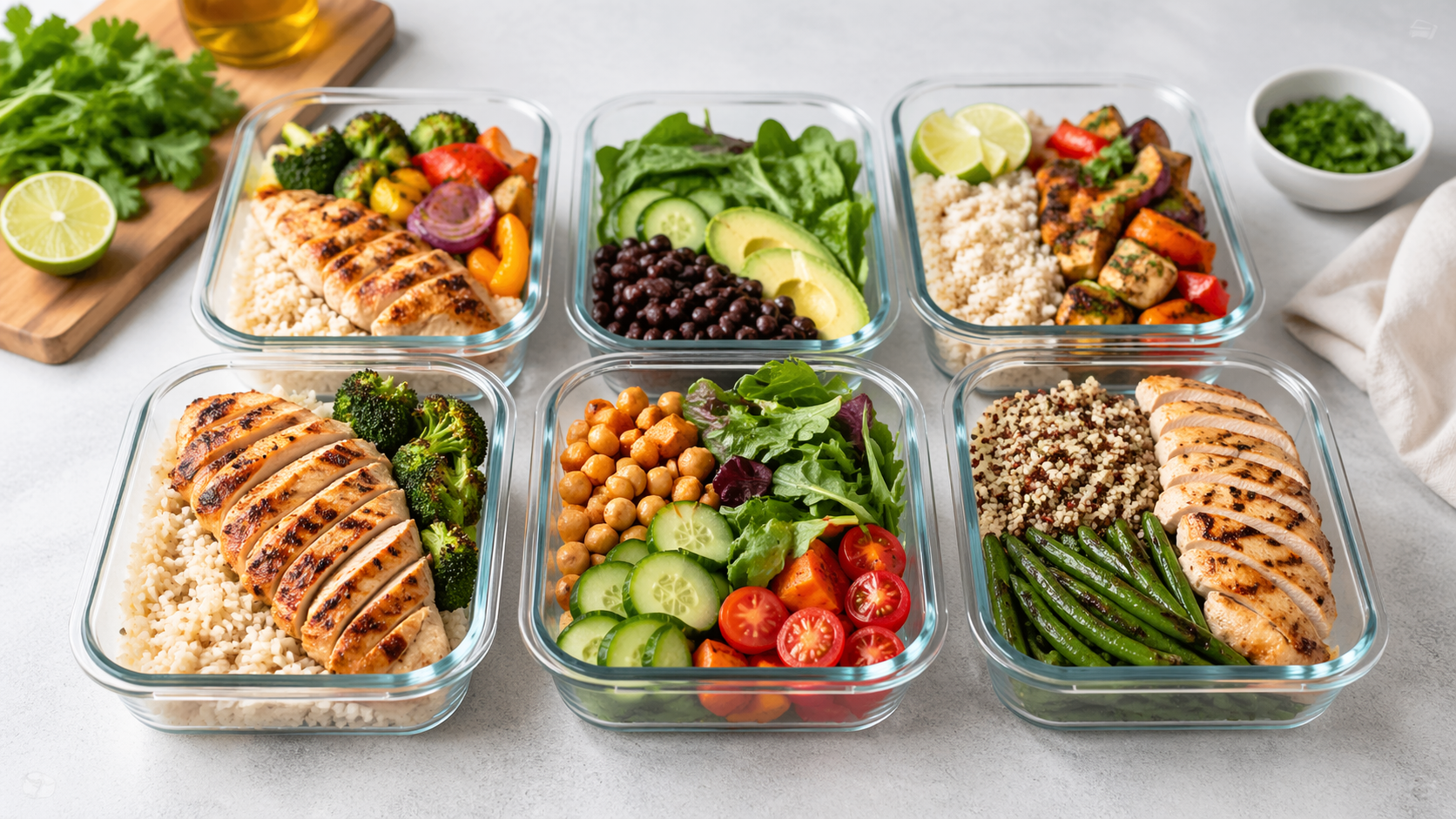
  • Meal prep containers with chicken, rice, vegetables and legumes prepared for several days

    Meal Prep for Fat Loss

    Simple Nutrition Guide

    Meal Prep for Fat Loss

    Meal prep does not need to mean eating the same dry chicken and rice every day. Done properly, it simply means making better food choices easier when the week gets busy.

    Fat loss becomes much harder when every meal is improvised. You get hungry, the day gets stressful, and suddenly the easiest option becomes the one you did not really want to choose.

    Meal prep is not about living like a bodybuilder. It is about reducing decision fatigue. A few prepared foods, some default meals and a simple weekly structure can make fat loss feel much more manageable.

    Why meal prep helps fat loss

    Fat loss depends on consistency. Meal prep helps because it removes some of the most common points of failure: hunger, stress, lack of time and random food decisions.

    Less guessing

    You already know what you can eat, so every meal does not become a new negotiation.

    Better portions

    Preparing food in advance makes it easier to control portions without obsessing over every bite.

    Fewer emergency choices

    When you have useful food ready, hunger does not have as much power over your decisions.

    Radikal Reset principle

    Meal prep is not about perfection. It is about making the next good decision easier.

    You do not need a fridge full of identical boxes. You need enough structure so that busy days do not automatically become chaotic eating days.

    Step 1: Do not prep every meal

    The biggest mistake with meal prep is trying to prepare your entire life in one afternoon. That usually feels overwhelming and makes the habit harder to repeat.

    Start with the meals that usually fail

    • If you skip breakfast and get hungry later, prep breakfast.
    • If lunch becomes takeaway, prep lunch.
    • If dinner collapses when you are tired, prep dinner ingredients.
    • If snacks are the problem, prepare better snack options.
    • If weekends are chaotic, plan one or two anchor meals.

    Meal prep works best when it solves your real problem, not when it copies someone else’s perfect routine.

    Step 2: Build meals around protein

    Protein is one of the most useful anchors for fat loss because it helps meals feel more satisfying and supports training progress. Your meal prep should make protein easy to include.

    Easy proteins

    Cook once, use often

    Chicken, turkey, lean beef, eggs, tofu, fish, tuna or Greek yogurt can become the base of several meals.

    Flexible meals

    Change the format

    The same protein can become a bowl, wrap, salad, omelette, stir-fry or simple dinner plate.

    Emergency options

    Keep backup protein

    Canned tuna, cooked eggs, Greek yogurt or ready-to-eat lean protein can save a chaotic day.

    Step 3: Prep components, not only full meals

    Full meal boxes can work, but many people get bored quickly. Component prep is often easier: you prepare separate foods and combine them in different ways during the week.

    Protein
    Cook chicken, lean meat, tofu, boiled eggs, fish or legumes.
    Carbs
    Prepare rice, potatoes, pasta, oats, wraps or another carb source you can portion easily.
    Vegetables
    Use roasted vegetables, salad bags, frozen vegetables or chopped raw vegetables.
    Flavor
    Keep sauces, spices, salsa, yogurt dressings or low-calorie flavor options ready.

    Step 4: Make your meals satisfying, not tiny

    A common fat loss mistake is making meal prep too small. Tiny meals may look “clean”, but if they leave you hungry all day, consistency becomes harder.

    Use lean protein

    It helps you build meals that are filling without making calories climb too quickly.

    Add volume foods

    Vegetables, salads, soups, fruit and high-fiber foods can make meals feel bigger.

    Control fats carefully

    Olive oil, nuts, cheese and sauces are not bad, but they are easy to overdo if you do not measure them roughly.

    Simple meal prep ideas for fat loss

    These are not strict recipes. They are flexible meal formats you can adapt to your taste, calories and schedule.

    Protein bowls

    Lean protein, rice or potatoes, vegetables and a sauce you enjoy.

    High-protein breakfast boxes

    Greek yogurt, fruit, oats, boiled eggs or cottage cheese depending on your preference.

    Dinner plates

    Protein, vegetables and a controlled carb portion. Simple, repeatable and easy to adjust.

    Wraps or salads

    Use prepped protein and vegetables to build quick lunches without cooking from zero.

    Step 5: Prepare for the moments you usually lose control

    Meal prep is most valuable when it protects the weakest points of your week. For many people, that is not every meal. It is the moment after work, the late-night snack, the rushed lunch or the weekend.

    Ask this before you prep

    • When do I usually make the worst food decisions?
    • Which meal causes the most stress?
    • What food would make that moment easier?
    • What can I prepare in less than one hour?
    • What backup meal can save a chaotic day?

    The best meal prep plan is not the most impressive one. It is the one that solves your repeated problems.

    A simple weekly meal prep structure

    You can adapt this to your schedule, but this kind of structure is enough for most people to start eating better without overcomplicating the week.

    Sunday
    Shop for protein, vegetables, carbs and two easy dinner options.
    Prep 1
    Cook one or two protein sources and one carb source.
    Prep 2
    Prepare vegetables, salad ingredients or frozen vegetable options.
    Backup
    Keep one emergency meal ready for the busiest day of the week.

    Step 6: Keep flavor in the plan

    If your meal prep tastes boring, you will eventually escape from it. Fat loss food does not need to be bland. Flavor matters because it helps you repeat the plan.

    Easy ways to improve meal prep flavor

    Use spices Paprika, garlic, curry, chili, cumin, oregano or mixed seasoning can completely change a meal.
    Rotate sauces Use controlled portions of sauces, salsa, yogurt dressings or hot sauce.
    Change the format Turn the same ingredients into bowls, wraps, salads or stir-fries.
    Add freshness Lemon, herbs, crunchy vegetables or fresh fruit can make prepped meals feel less heavy.

    Common meal prep mistakes

    Preparing meals you do not enjoy If you hate the food, you will not repeat it for long. Fat loss still needs taste.
    Making portions too small Extreme hunger often leads to snacking, overeating or quitting the plan completely.
    Prepping too much at once Start smaller. A plan you can repeat is better than one huge Sunday effort that never happens again.
    Ignoring your real schedule Meal prep should fit your week. If Wednesdays are chaotic, prepare for Wednesdays first.

    Frequently asked questions

    Is meal prep necessary for fat loss?

    No, but it can make fat loss much easier. Meal prep reduces random decisions and helps you stay consistent when you are busy, tired or hungry.

    Do I have to eat the same meal every day?

    No. You can prep components instead of full meals. This lets you combine protein, carbs, vegetables and sauces in different ways.

    What should I meal prep first?

    Start with the meal that usually fails. For many people, that is lunch, dinner or snacks after work.

    How long should meal prep take?

    A useful meal prep session can take 30 to 60 minutes. You do not need to spend an entire afternoon cooking unless you enjoy it.

    Related guides

    Want nutrition to feel simpler?

    Radikal Reset gives you a clear 8-week structure for training, cardio and practical nutrition, so you can stop improvising and start building a routine that fits real life.

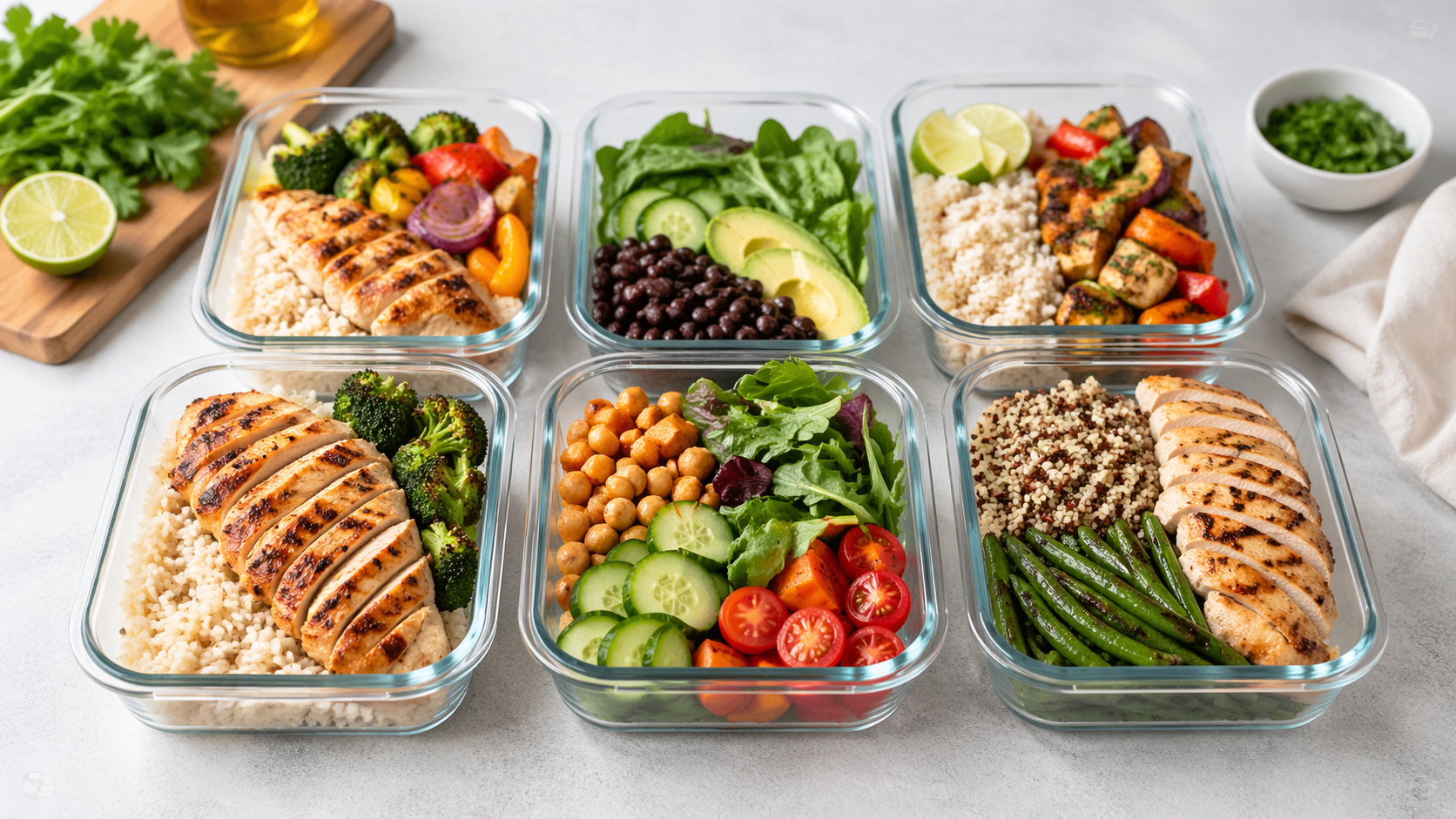
  • Recipientes de meal prep con pollo, arroz, verduras y legumbres preparados para varios días

    Meal prep para perder grasa

    El meal prep no es obligatorio, pero para muchas personas puede marcar una diferencia enorme. Cuando tienes comidas preparadas o al menos parcialmente resueltas, reduces decisiones impulsivas, ahorras tiempo y haces mucho más fácil mantener una alimentación coherente con tu objetivo.

    Y eso importa especialmente cuando quieres perder grasa. No porque preparar tuppers tenga nada mágico, sino porque suele ayudarte a controlar mejor las porciones, repetir decisiones razonables y evitar que cada comida dependa de lo que te apetezca en ese momento.

    Respuesta rápida

    Un buen meal prep para perder grasa no consiste en cocinar veinte recipientes perfectos. Consiste en dejar resueltas varias comidas o bases de comida para que comer mejor durante la semana requiera menos esfuerzo, menos improvisación y menos decisiones impulsivas.

    Por qué el meal prep ayuda tanto cuando quieres perder grasa

    Muchas personas no fallan porque no sepan qué deberían comer. Fallan porque, entre trabajo, cansancio, horarios y hambre, terminan resolviendo cada comida con lo primero que tienen a mano. El meal prep reduce ese problema de raíz.

    Ahorra tiempo

    Cocinar una o dos veces bien suele ser más fácil que improvisar siete veces deprisa y mal.

    Mejora decisiones

    Cuando la comida ya está medio resuelta, es menos probable acabar pidiendo cualquier cosa o picando de más.

    Da continuidad

    La pérdida de grasa mejora cuando tus decisiones se vuelven repetibles, no cuando cada día depende de motivación nueva.

    Cómo hacer meal prep para perder grasa sin complicarte la vida

    La mejor estrategia no suele ser cocinar platos cerrados para toda la semana, sino preparar piezas versátiles que puedas combinar. Así tienes más flexibilidad y menos sensación de estar comiendo siempre exactamente lo mismo.

    1. Elige 2 proteínas principales

    Por ejemplo: pollo y pavo, o pollo y salmón, o tofu y legumbres si prefieres opciones vegetales. La idea es tener una base fácil de repartir entre varias comidas.

    2. Prepara 1 o 2 carbohidratos simples

    Arroz, patata, boniato, quinoa o pasta. No necesitas cinco opciones. Con una o dos, bien cocinadas, ya tienes muchísimo resuelto.

    3. Añade verduras fáciles de usar

    Brócoli, zanahoria, calabacín, judías verdes, ensalada lavada, tomate o pimientos asados. El objetivo es volumen, saciedad y facilidad.

    4. Usa combinaciones, no recetas fijas

    Si tienes pollo, arroz, verduras y una salsa simple, ya puedes montar varias comidas distintas sin cocinar desde cero cada vez.

    Ejemplo simple de meal prep para 3 o 4 días

    Proteínas

    Pechuga de pollo a la plancha + pavo salteado

    Carbohidratos

    Arroz cocido + boniato asado

    Verduras

    Brócoli al vapor + pimientos asados + mezcla de ensalada

    Combinaciones posibles

    Pollo con arroz y brócoli, pavo con boniato y ensalada, arroz con pollo y pimientos, ensalada con pavo y boniato.

    Errores comunes al hacer meal prep

    • Querer hacer demasiado y convertirlo en una sesión agotadora.
    • Preparar solo platos cerrados y cansarte de ellos al segundo día.
    • No cocinar lo suficiente y quedarte corto a mitad de semana.
    • Elegir comidas poco saciantes que luego te empujan a picar.
    • Pensar que todo tiene que ser perfecto, cuando lo útil es que sea funcional.

    Meal prep no significa comer aburrido

    Significa dejar decisiones adelantadas. Si lo haces bien, no comes peor: comes con menos fricción. Y esa reducción de fricción suele ser una de las claves más infravaloradas cuando alguien quiere perder grasa sin vivir constantemente agotado por la comida.

    Al final, no se trata de cocinar más. Se trata de decidir mejor cuándo te conviene cocinar y qué te interesa dejar resuelto.

    Preguntas frecuentes

    ¿Cuántos días debería preparar?

    Para la mayoría de personas, preparar 3 o 4 días ya marca una diferencia enorme sin hacerlo demasiado pesado.

    ¿Es mejor hacer platos completos o bases?

    Normalmente, las bases versátiles funcionan mejor porque permiten más combinaciones y menos sensación de repetición.

    ¿Meal prep sirve si como fuera algunos días?

    Sí. No hace falta cubrir toda la semana. Incluso dejar dos o tres comidas resueltas ya puede ayudarte mucho.

    También te puede ayudar

    Siguiente paso

    Perder grasa suele ser más fácil cuando tu semana está mejor pensada

    Si te interesa ordenar mejor tus comidas, tu entrenamiento y tus hábitos sin complicarte más de la cuenta, Radikal Reset está planteado justo alrededor de esa idea: menos caos, más estructura y mejores decisiones sostenidas en el tiempo.

    Ver Radikal Reset