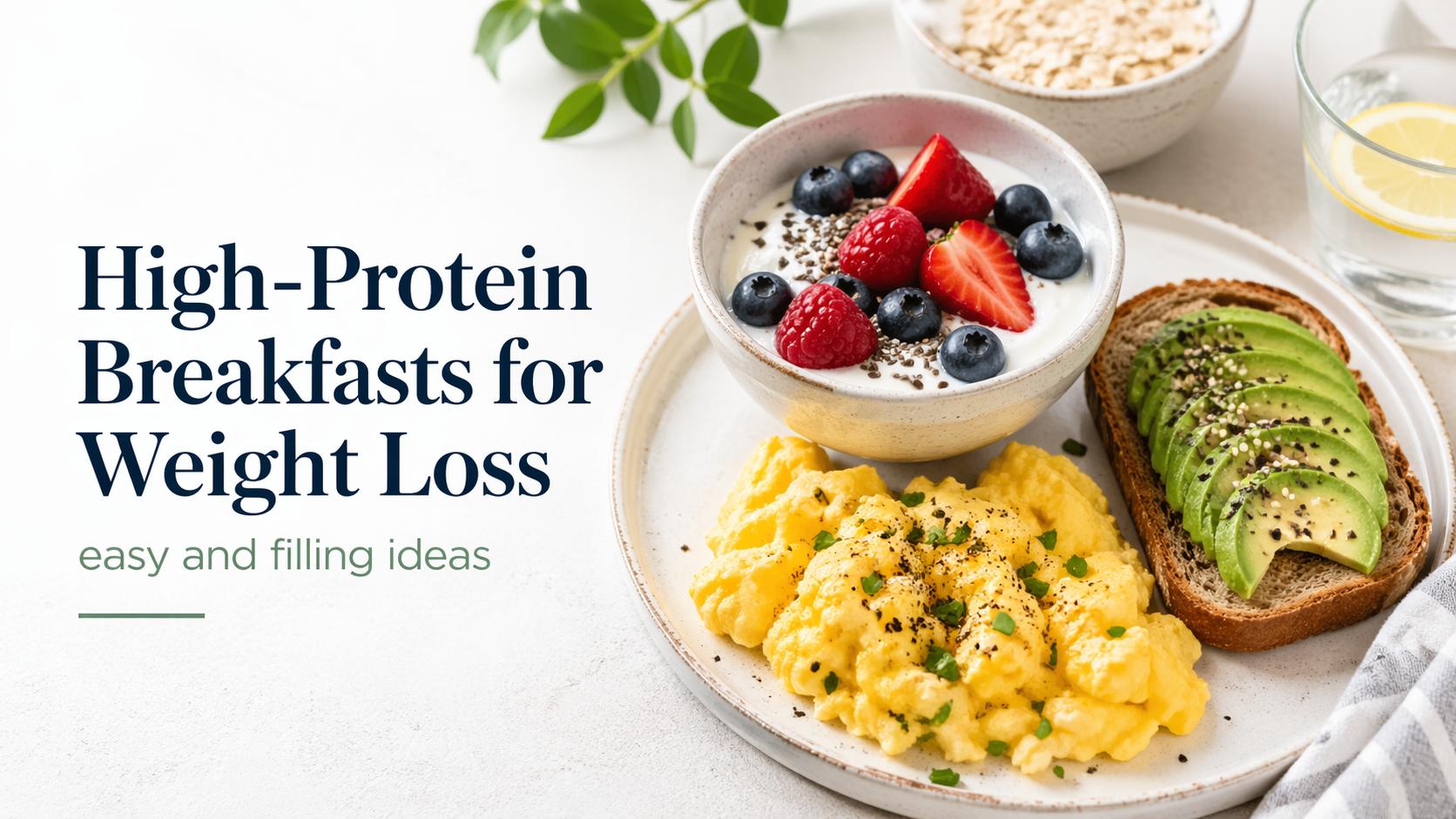
• Scrambled eggs with avocado toast and a yogurt bowl with berries for a high-protein breakfast

    High-Protein Breakfasts for Weight Loss

    Breakfast is not mandatory for fat loss, but for many people it can be a very useful tool. Especially when it prevents extreme hunger later in the day, improves structure, and reduces impulsive snacking.

    In that context, high-protein breakfasts often work especially well. Not because they are magical, but because they tend to be more filling, more stable, and easier to fit into a realistic fat loss process.

    Quick answer

    A good high-protein breakfast for weight loss should help you start the day feeling fuller, provide around 25 to 40 grams of protein, and be simple enough to repeat without needing extra motivation every morning.

    Note: calories and protein values are approximate. They may vary depending on brands, exact quantities, and preparation methods.

    Why a high-protein breakfast can help

    When breakfast leaves you satisfied, the rest of the day often becomes easier to manage. That does not mean everything depends on the first meal, but a well-built breakfast can give you a more stable base for better decisions later.

    More fullness

    Protein helps breakfast feel more satisfying and can make the next meal easier to reach without excessive hunger.

    Less improvisation

    Having 3 or 4 solved breakfasts reduces daily chaos more than people think.

    Better consistency

    When the day starts with a useful and repeatable meal, the process often feels easier to sustain.

    8 high-protein breakfasts for weight loss

    These ideas are built for real life: limited time, limited mental space, and the need to solve breakfast in a useful way.

    1. Greek yogurt with berries, oats, and seeds

    Very practical, quick, and easy to repeat. It works especially well if you do not want a heavy breakfast but still need fullness.

    Approx. calories: 320–390 kcal · Protein: 24–32 g

    2. Scrambled eggs with wholegrain toast and avocado

    A complete, filling breakfast with a real-meal feel. Very useful if you know your morning tends to feel long.

    Approx. calories: 350–430 kcal · Protein: 22–30 g

    3. Whipped fresh cheese with banana and cinnamon

    Very simple and convenient if you want something quick, fresh, and naturally high in protein.

    Approx. calories: 280–350 kcal · Protein: 25–32 g

    4. Oat, egg-white, and yogurt pancakes

    A good option if you want something a bit more elaborate while still being realistic enough to repeat during the week.

    Approx. calories: 360–430 kcal · Protein: 28–36 g

    5. Protein shake with yogurt, fruit, and oats

    Very useful for busy mornings or when you need breakfast to be portable.

    Approx. calories: 300–380 kcal · Protein: 30–40 g

    6. Wholegrain turkey and fresh cheese sandwich

    Very practical for people who prefer a savory breakfast and do not want long preparation.

    Approx. calories: 320–400 kcal · Protein: 25–33 g

    7. Chia pudding with yogurt and protein powder

    A strong option if you want breakfast ready from the night before and even less morning improvisation.

    Approx. calories: 300–370 kcal · Protein: 25–35 g

    8. Wholegrain toast with smoked salmon and light cream cheese

    A simple and filling breakfast that fits well if you prefer to start the day with something savory.

    Approx. calories: 330–410 kcal · Protein: 24–30 g

    Common breakfast mistakes

    • Eating too little and arriving at lunch with uncontrolled hunger.
    • Choosing fast but low-protein options, such as pastries or sugary cereals.
    • Making mornings too complicated with breakfast ideas that are not realistic to sustain.
    • Not repeating breakfasts that work because you think variety matters more than consistency.

    The key is not to build a “perfect” breakfast

    The key is whether breakfast helps you. If it leaves you more organized, less hungry, and with one useful decision already made early in the day, it is probably doing its job.

    In many cases, what changes results most is not finding the ideal breakfast, but stopping the daily improvisation.

    Frequently asked questions

    Is breakfast necessary for weight loss?

    No. But for many people it can still be useful if it improves structure and helps them eat better later.

    How much protein should breakfast include?

    It depends on the wider context, but many useful breakfasts land between 25 and 40 grams of protein.

    Can I repeat the same breakfast on multiple days?

    Yes. If a breakfast works well for you, repeating it is often one of the best ways to reduce chaos and improve consistency.

    You may also find useful

    Next step

    A better breakfast helps. A better structure helps much more.

    If you want to organize your meals better and stop depending on improvised choices, Radikal Reset is built around exactly that: turning good intentions into a clearer and more sustainable structure.

    See Radikal Reset
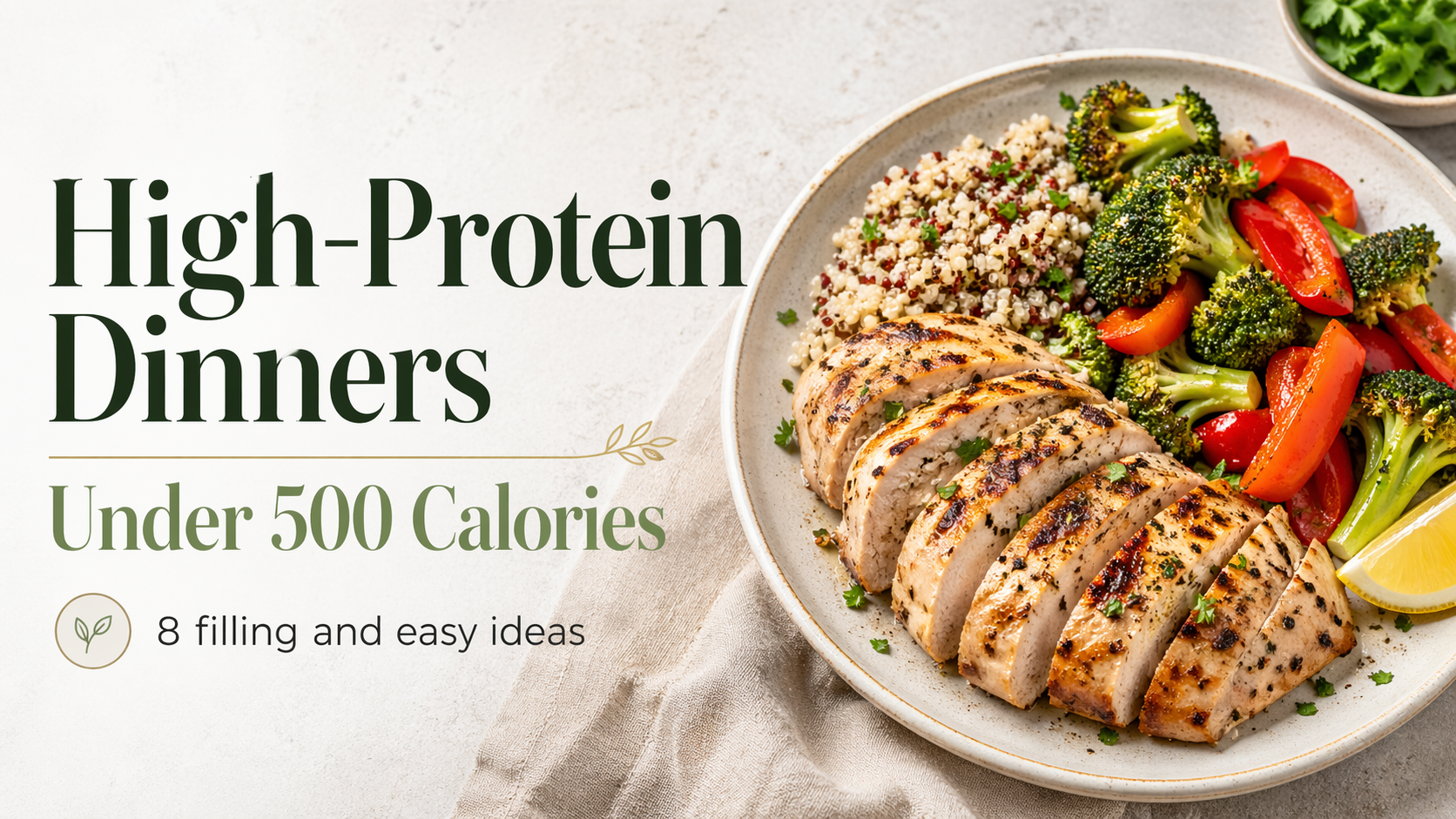
  • Chicken breast with vegetables

    High-Protein Dinners Under 500 Calories

    If you are trying to lose fat, one of the best ways to make the process easier is to stop assuming that a good dinner has to be tiny, bland, or unsatisfying. In practice, a better dinner usually combines enough protein, good food volume, and simplicity.

    That is exactly why high-protein dinners under 500 calories are so useful: they help you finish the day feeling full, improve consistency, and reduce the feeling of being “on a diet” all the time.

    Quick answer

    A good high-protein dinner under 500 calories should usually provide around 25 to 40 grams of protein, be easy to prepare, and leave you satisfied enough not to start snacking later.

    Note: calories and protein values are approximate. They may vary depending on brands, exact quantities, and preparation methods.

    Why these dinners work so well

    Protein is especially useful when you want to improve body composition: it tends to support fullness and make meals feel more stable. If you combine it with vegetables, potatoes, rice, yogurt, or legumes in reasonable portions, you can build dinners that feel complete without pushing calories too high.

    Fullness

    A higher-protein dinner often helps you finish the day in a better place and reduces late-night snacking.

    Simplicity

    If dinner is easy to repeat, it becomes much easier to sustain.

    Calorie control

    Keeping dinner under 500 calories can be useful when the rest of the day is also structured well.

    8 high-protein dinners under 500 calories

    These ideas are designed to be practical. They are not meant to be perfect. They are meant to help you solve dinner with more structure and less improvisation.

    1. Grilled chicken with broccoli and quinoa

    A very balanced, filling, and repeatable dinner. Chicken gives you protein, broccoli adds volume, and quinoa provides a moderate carb base.

    Approx. calories: 430–480 kcal · Protein: 35–42 g

    2. Egg and egg-white scramble with mushrooms and wholegrain toast

    Very useful if you want a quick, warm, protein-rich dinner without overcomplicating things.

    Approx. calories: 330–410 kcal · Protein: 28–34 g

    3. Salmon with zucchini and boiled potatoes

    Slightly higher in healthy fats, but a strong option for people who need dinner to feel genuinely satisfying.

    Approx. calories: 440–500 kcal · Protein: 28–34 g

    4. Large salad with tuna, chickpeas, and tomato

    Fresh, practical, and quite complete if built properly. Very useful on warmer days or when you do not want to cook much.

    Approx. calories: 400–470 kcal · Protein: 28–35 g

    5. Greek yogurt with fruit, oats, and protein powder

    Perfect if you get home late or do not feel like cooking. Structured well, it can be a light but still satisfying dinner.

    Approx. calories: 350–430 kcal · Protein: 30–40 g

    6. Turkey stir-fry with vegetables and rice

    A very practical alternative for anyone who wants a more substantial dinner without overshooting calories.

    Approx. calories: 420–490 kcal · Protein: 32–40 g

    7. Tofu with sautéed vegetables and edamame

    A strong option if you prefer a plant-based dinner but still want enough protein.

    Approx. calories: 380–460 kcal · Protein: 26–34 g

    8. Whipped fresh cheese with berries and nuts

    A very easy dinner for busy days. It works well if you do not like heavy dinners but still want to finish the day with something stable.

    Approx. calories: 300–380 kcal · Protein: 24–32 g

    Common mistakes with these dinners

    • Choosing “light” dinners that are not filling, which often leads to snacking later.
    • Obsessing over calories and forgetting protein.
    • Making dinner too complicated, which hurts consistency.
    • Refusing to repeat useful meals because you think every dinner has to be different.

    The key is not only dinner. It is structure.

    These dinners can help a lot, but progress usually does not depend on a single meal. It depends much more on stopping constant improvisation and starting to repeat sensible decisions with some consistency.

    That is where many people improve for real: when they stop searching for the “perfect dinner” and start building a clearer daily structure.

    Frequently asked questions

    How much protein should dinner include?

    It depends on the full day, but many useful fat loss dinners fall somewhere between 25 and 40 grams of protein.

    Is under 500 calories always better?

    Not necessarily. It can be useful, but only if it fits the rest of your intake and does not leave you too hungry.

    Can I repeat the same dinners on multiple days?

    Yes. In fact, repeating dinners that work well is often one of the easiest ways to reduce chaos and improve consistency.

    You may also find useful

    Next step

    Eating better helps. Having structure helps much more.

    If you want to stop depending on improvisation and organize your physical change process better, Radikal Reset is built around exactly that: bringing more clarity and more continuity where there used to be chaos.

    See Radikal Reset
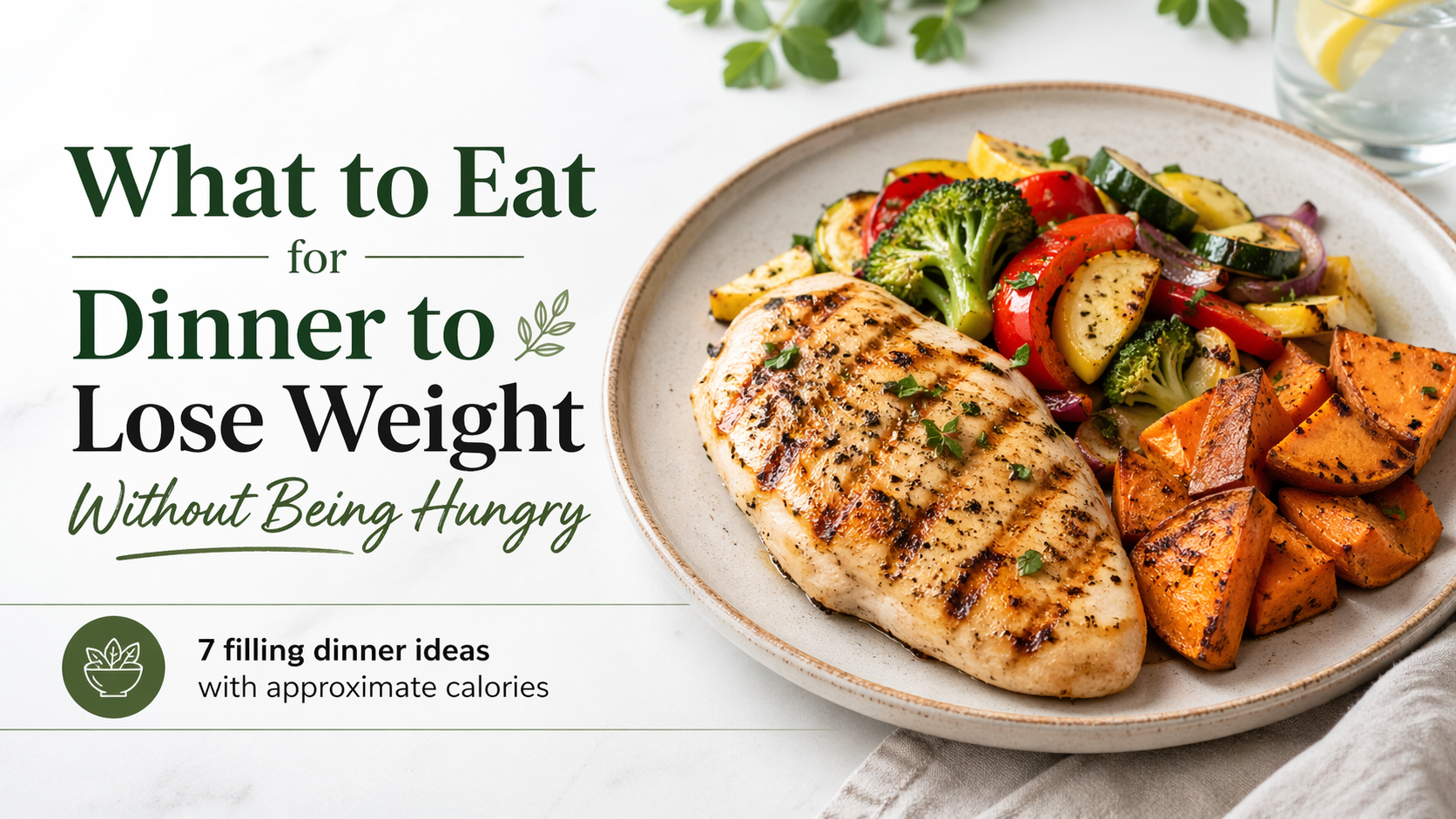
  • Chicken breast with vegetables

    What to eat for dinner to lose weight without being hungry

    Dinner can help your fat loss process much more than people think. The problem is that many people associate a “weight loss dinner” with eating too little, feeling deprived, or ending the day with a sad salad that satisfies no one.

    Quick answer

    If you want to lose weight without feeling hungry, your dinner should be filling, high in protein, moderate in calories, and easy to repeat. In practice, that usually means combining a good protein source, vegetables or high-volume foods, and a reasonable amount of carbs or fats depending on the rest of your day.

    Note: calories and protein values are approximate. They may vary depending on brands, exact quantities, and preparation methods.

    What a dinner for fat loss should include

    There is no single magical dinner for weight loss. What usually works better is a simple structure that leaves you satisfied and helps you finish the day without feeling desperate for more food.

    1. Enough protein

    Eggs, chicken, turkey, tuna, salmon, Greek yogurt, cottage cheese, tofu, or well-structured legumes. Protein supports fullness.

    2. Volume

    Vegetables, soups, salads, stir-fries, and high-volume foods. Not for show, but because they help you feel like you actually ate.

    3. Simplicity

    If dinner takes too much effort or too much mental energy, you will end up improvising. And improvising is often where the plan breaks down.

    7 dinner ideas to lose weight without being hungry

    These ideas are not perfect. They are useful. And when you are trying to sustain a body transformation, that matters much more.

    1. Omelet with sautéed vegetables and boiled potatoes

    A simple, warm, filling option that works especially well when you want dinner to feel like a real meal, not a punishment.

    Approx. calories: 380–430 kcal · Protein: 24–30 g

    2. Greek yogurt with fruit, cinnamon, and a little peanut butter

    Very useful if you eat late, have little time, or want something lighter without drifting into pastries or random snacking.

    Approx. calories: 300–380 kcal · Protein: 20–28 g

    3. Grilled chicken breast with a large salad and rice

    A strong option if you trained earlier or already know you need a more complete dinner to avoid raiding the kitchen later.

    Approx. calories: 430–500 kcal · Protein: 35–45 g

    4. Baked salmon with zucchini and potatoes

    Slightly higher in healthy fats, very satisfying, and useful when it takes more to feel full at the end of the day.

    Approx. calories: 450–520 kcal · Protein: 30–36 g

    5. Egg and egg-white scramble with mushrooms and wholegrain toast

    Great if you want a quick, protein-heavy dinner that still feels like actual food rather than a random snack.

    Approx. calories: 330–410 kcal · Protein: 28–34 g

    6. Full salad with tuna, chickpeas, and tomato

    Very useful in warmer weather or when you want something fresh, but it needs to be built properly so it does not leave you unsatisfied.

    Approx. calories: 400–470 kcal · Protein: 28–35 g

    7. Vegetable soup with whipped fresh cheese and turkey slices

    A comforting option with plenty of volume that still keeps calories under control.

    Approx. calories: 300–390 kcal · Protein: 22–30 g

    Common dinner mistakes

    • Eating too little and ending up snacking later.
    • Cutting all carbs automatically even when that makes dinner less satisfying.
    • Relying on unrealistic “healthy dinners” you do not actually want to eat.
    • Not planning dinner at all and ending the day with whatever is easiest.
    • Thinking only about calories and forgetting protein and food volume.

    So what should you eat for dinner?

    The best dinner for fat loss is not the most extreme one. It is the one you can repeat consistently without ending each day feeling deprived. If a dinner helps you finish the day satisfied, keeps protein high enough, and does not push calories too far, it is probably moving in the right direction.

    And this is where many people struggle: not because they do not care, but because they do not have enough structure. When every dinner depends on improvising, the whole process becomes far more unstable than it looks.

    Frequently asked questions

    Is it bad to eat carbs at dinner if I want to lose weight?

    Not necessarily. What matters is the overall context of your day and whether dinner is well built. For many people, a small amount of rice, potatoes, or bread improves fullness and makes the plan easier to sustain.

    Is it better to eat a very light dinner?

    Only if that works for you. If eating too lightly leads to snacking later, it is usually not a good strategy.

    How many calories should dinner have for fat loss?

    It depends on your full daily context, but many useful fat loss dinners often fall somewhere around 300 to 500 calories when structured properly.

    You may also find useful

    Next step

    Dinner matters. But structure matters more.

    If you want to lose fat without turning every meal into a problem, Radikal Reset is built around one simple idea: bringing structure where there used to be chaos. You can keep exploring the blog or see how the program works.

    See Radikal Reset