• Person tying their shoes at home next to dumbbells, exercise mat, water bottle and healthy food, symbolizing a gradual return to fitness.

    How to Get Back in Shape After a Bad Period

    Getting back in shape after a bad period is not about punishing yourself for what happened. Maybe you spent months without training, eating worse, sleeping poorly, dealing with stress, family changes, work, injuries, or simply low energy. That does not mean you have lost the ability to come back.

    The most common mistake is trying to compensate for the bad period with an extreme reaction: strict dieting, intense workouts, and zero room for error. It may look like “getting serious,” but it often ends in pain, fatigue, and quitting. What you need is an organized return.

    Quick answer

    To get back in shape after a bad period, start with 2–3 weekly strength workouts, walks, simple protein-based meals, better sleep, and small goals. Do not try to compensate for months of chaos in one week: return with progression, structure, and patience.

    Note: this content is informational and does not replace individualized medical, nutrition, or training advice. If you have pain, a previous injury, a medical condition, or major doubts, consult a qualified professional before starting.

    You do not need punishment. You need to rebuild

    After a bad period, guilt is common. You may look at old photos, clothes that no longer fit the same, or weights you used to lift and feel like you are starting from zero. But not everything is lost: your body and mind can regain rhythm faster than you think if you do not go too aggressive.

    The priority is not proving anything in week one. The priority is creating a base you can repeat for several weeks in a row.

    Return without guilt

    Guilt does not train for you. Structure helps you move forward.

    Gradual progression

    Your body needs to readapt before you push hard.

    Realistic consistency

    Three solid weeks beat four extreme days.

    Step 1: accept your current starting point

    You do not have to train like you used to or eat as if you were already at your best. Your current starting point matters. That is not defeat: it is information.

    • Evaluate energy: how you sleep, how you feel, and your stress level.
    • Evaluate movement: how many steps you take and how long you have been off training.
    • Evaluate food: where your eating gets most disorganized.
    • Evaluate real time: how many days you can train without relying on a perfect week.

    Step 2: return to training with less ego

    If you have been inactive, you do not need to test yourself. You need to rebuild tolerance. Brutal soreness or extreme fatigue are not signs of success; often they are signs you pushed too hard.

    Week 1–2

    Do 2–3 full-body sessions, moderate loads, and clean technique. Finish each session feeling like you could have done a little more.

    Week 3–4

    Start increasing a rep, a set, or some load if recovery is good. Do not change every exercise yet.

    After the first month

    Adjust based on response: more volume, more intensity, or a more structured routine. First build continuity, then optimize.

    Step 3: fix food without turning it into punishment

    After a bad period, many people try to compensate with a diet that is too strict. The problem is that hunger, anxiety, and rigidity can lead you back into the same cycle.

    • Add protein to most meals.
    • Prepare 2 base meals you can repeat without overthinking.
    • Reduce liquid and high-calorie snacking before changing everything else.
    • Use vegetables, fruit, and filling plates so you do not live hungry.
    • Do not eliminate foods as punishment: adjust quantities and frequency.

    Step 4: use walks to recover rhythm

    Walking is a very useful tool when you are coming back from a bad period. It helps increase expenditure, recover a sense of movement, clear your head, and improve consistency without adding as much fatigue as hard cardio.

    Start with something as simple as 10–20 minutes per day or a walk after a meal. It does not need to be spectacular to be useful.

    Simple 14-day plan to feel back on track

    Days 1–3

    Basic grocery shop, first walk, initial photo, one protein-based meal, and planning 2 workouts.

    Days 4–7

    First strength sessions, daily steps, and a base dinner you can repeat.

    Days 8–10

    Repeat workouts, adjust hunger, improve sleep, and avoid adding too many new rules.

    Days 11–14

    Review adherence, identify the biggest obstacle, and choose one small improvement for the next week.

    Common mistakes when returning after a bad period

    Trying to compensate for everything in one week

    You do not need to pay a debt. You need to create a new direction.

    Comparing yourself to your previous best version

    Your reference should be your current starting point, not a period when your conditions were different.

    Training too hard too soon

    Initial excess often looks like discipline, but it can break continuity.

    Expecting constant motivation

    Motivation helps you start, but structure is what supports you.

    Frequently asked questions

    How long does it take to get back in shape?

    It depends on your starting point and how long you were inactive, but many people notice better energy and rhythm within a few weeks if they return consistently.

    Is it better to train every day to recover faster?

    Not necessarily. If you are coming from a bad period, 2–3 strength days and more steps are often a smarter return.

    What if I fail again?

    Return at the next useful decision: an ordered meal, a walk, or a short session. Do not wait for another perfect Monday.

    You may also find useful

    Next step

    A bad period does not have to define your next period.

    Radikal Reset is designed to help you return with organized training, nutrition, and habits, without punishing yourself or improvising.

    See Radikal Reset
  • Visual concept of a 30-day calendar with workout elements, healthy food and gradual physical progress

    What to Do in the First 30 Days to Change Your Body

    The first 30 days to change your body matter because they set the tone for the process. You do not need to transform completely in one month, but you can build a real base: training regularly, eating better, moving more, and starting to see yourself as someone taking control again.

    The goal of the first 30 days is not perfection. It is to stop improvising. If you try to change everything at once, you may burn out. If you organize the essentials, you are much more likely to reach day 31 with momentum, not with the urge to quit.

    Quick answer

    During the first 30 days to change your body, focus on strength training 2–4 times per week, increasing steps, eating protein in most meals, creating a moderate calorie deficit, sleeping better, and tracking progress without obsessing. Do not chase perfection: chase repetition.

    Note: this content is informational and does not replace individualized medical, nutrition, or training advice. If you have pain, a previous injury, a medical condition, or major doubts, consult a qualified professional before starting.

    What you can realistically expect in 30 days

    In 30 days, you can notice more energy, less bloating, better control with food, early strength gains, better posture, and some visible changes, especially if you are coming from a sedentary or disorganized period.

    What you should avoid is expecting an extreme transformation in four weeks. The first phase should build the structure that makes the bigger change possible later.

    More control

    You start deciding better instead of reacting by impulse.

    Better routine

    Training and eating better depend less on motivation.

    First changes

    How you look, feel, and fit into clothes can begin to improve.

    Week 1: organize the basics

    The first week should not be a suffering test. It should be an adjustment week. You need to know where you are, what you can complete, and which habits are slowing you down.

    • Take an initial photo and basic measurements: waist, weight, and general feeling.
    • Choose 2–3 training days and put them on your calendar.
    • Add protein to at least 2 meals per day.
    • Walk more, even if it is just 10–20 minutes per day.
    • Prepare a simple grocery shop with foods that are easy to repeat.

    Week 2: repeat before adding more

    The second week is often more important than the first. Initial motivation begins to drop and normal excuses appear: fatigue, work, hunger, lack of time, or social life.

    Keep the workouts

    Do not change the whole routine yet. Repeat exercises, improve technique, and finish with margin. Repetition helps you progress.

    Create 2 base meals

    One meal for normal days and another for busy days. Clear options reduce improvisation.

    Control hunger

    If you are hungry all day, check protein, vegetables, fruit, water, sleep, and meal size. Do not turn the deficit into punishment.

    Week 3: begin progressing

    In the third week, it is no longer just about starting. It is about improving something: one more rep, better technique, more steps, better dinners, or less improvisation.

    • Slightly increase a load or a rep if technique is good.
    • Review your steps and increase a little if daily activity is still low.
    • Reduce liquid calories if they are slowing progress.
    • Plan the weekend so you do not lose control for two full days.
    • Do not change plans out of anxiety if you do not have enough data yet.

    Week 4: measure, adjust, and consolidate

    The fourth week is for evaluation. Do not only look at one day of scale weight. Look at weight trend, photos, waist, energy, strength, hunger, sleep, and adherence.

    If things are working

    Do not change everything. Keep what works and increase demands moderately.

    If you see no progress

    Review portions, steps, weekends, snacking, and real adherence before deciding that “nothing works.”

    If you are exhausted

    You probably started too hard. Reduce demands and build from a more sustainable base.

    First 30 days checklist

    • Strength train 2–4 times per week.
    • Walk more or increase steps gradually.
    • Eat protein in most meals.
    • Have 2–3 repeatable base meals.
    • Control portions without extreme dieting.
    • Sleep slightly better than before.
    • Measure progress with trends, photos, measurements, and clothing.
    • Return quickly after a slip.

    Mistakes to avoid in the first month

    Following an overly aggressive diet

    If hunger is unbearable from week one, you probably will not maintain it.

    Training as if you had years of experience

    Your body needs to readapt. Harder is not always smarter.

    Changing plans every few days

    If you do not repeat enough, you will not know what is working and what is not.

    Quitting after a bad day

    One bad meal or missed workout does not ruin the month. Quitting does.

    Frequently asked questions

    Can you change your body in 30 days?

    You can begin noticing changes, but the most important part of the first month is building the base that makes a more visible transformation possible later.

    How much weight should I lose in the first month?

    It depends on your starting point, adherence, and deficit. Avoid obsessing over an exact number and also look at measurements, photos, and energy.

    What if I fail for a week?

    Return with one small action today. Do not wait until next Monday or try to compensate with extreme measures.

    You may also find useful

    Next step

    The first 30 days should not be a suffering test. They should give you structure.

    Radikal Reset is designed to help you start that change with organized training, nutrition, and habits, without improvising every week.

    See Radikal Reset
  • Visual metamorphosis with cracked cocoons, a colorful butterfly, a dumbbell, healthy food and a clock, symbolizing the start of a body transformation.

    How to Start a Body Transformation From Zero

    Starting a body transformation from zero can feel huge: losing fat, training again, eating better, recovering energy, looking different, and maintaining it. The problem is that many people try to start as if they already had discipline, technique, time, and habits in place.

    A real body transformation does not start with a perfect week. It starts with a basic structure you can repeat. Before looking for the most advanced plan, you need to organize four things: training, nutrition, daily activity, and consistency.

    Quick answer

    To start a body transformation from zero, begin with 2–3 weekly workouts, more daily steps, simple protein-based meals, a moderate calorie deficit, and basic tracking. The initial goal is not perfection: it is building a base you can repeat for weeks.

    Note: this content is informational and does not replace individualized medical, nutrition, or training advice. If you have pain, a previous injury, a medical condition, or major doubts, consult a qualified professional before starting.

    You do not need to start hard. You need to start well

    When you want to change your body, it is tempting to make a total revolution: strict diet, gym almost every day, hard cardio, and zero room for error. It may look like commitment, but often it is just a fast way to burn out.

    Starting well means creating a realistic starting point. Something that makes you improve, but does not depend on having a perfect life.

    Base before intensity

    First learn to repeat. Then push harder.

    Clarity before variety

    You do not need endless options. You need to know what to do today.

    Progress before perfection

    Small sustained improvements change more than one heroic week.

    The 6 pillars for starting a body transformation

    1. Define a clear goal, not a fantasy

    “I want to change my body” is too general. Better: lose fat, train three days, improve waist measurements, increase strength, or create a sustainable routine for eight weeks.

    2. Start with strength training

    Strength helps maintain muscle, improve body shape, and build a physical base. If you start from zero, 2–3 weekly full-body sessions can be enough to move forward.

    3. Organize food without extreme dieting

    Add protein, vegetables, more filling meals, and portion control. If you want to lose fat, you need a calorie deficit, but you do not need to start by starving.

    4. Increase daily activity

    Walking more can be one of the simplest tools to start. It does not create as much fatigue as hard cardio and helps build a daily routine.

    5. Track enough to avoid guessing

    Use average weight, measurements, photos, clothing, and performance. You do not need obsession, but you do need signs that the plan is working.

    6. Create a plan for imperfect days

    There will be meals out, fatigue, work, travel, and strange days. A sustainable transformation needs a way to return quickly, not a promise that you will never slip.

    First 2 weeks: what to do exactly

    • Train 2–3 days: full body, basic exercises, and moderate loads.
    • Walk more: start with 10–20 minutes daily or increase steps gradually.
    • Improve one meal: add protein and a source of volume like vegetables or fruit.
    • Prepare 2 base meals: one for normal days and one for busy days.
    • Use simple tracking: weight 2–4 times per week, one initial photo, and basic measurements.
    • Do not change everything yet: consolidate before adding more demands.

    Example week when starting from zero

    Monday

    Full-body strength workout + simple high-protein dinner.

    Tuesday

    Walk, base meal, and quick check of hunger and energy.

    Wednesday

    Second strength workout + prepare an easy meal for the next day.

    Thursday

    Active recovery, steps, and simple meals.

    Friday or Saturday

    Optional third workout if you recover well, or a longer walk if you feel tired.

    Mistakes that slow a transformation from the beginning

    Expecting visible results in one week

    You can feel better quickly, but visible physical changes need consistency.

    Copying routines that are too advanced

    An advanced routine is not better if it does not fit your level, technique, or recovery.

    Following an impossible diet

    If hunger and rigidity are too high, adherence will drop quickly.

    Having no return plan

    If one slip takes you out for three days, the system needs more flexibility.

    Frequently asked questions

    How long does a body transformation take?

    It depends on your starting point, but you usually need several weeks to notice clear changes and several months for a deeper transformation.

    Can I start if I am completely out of shape?

    Yes, but start with progression, moderate loads, walks, and basic habits. You do not need to do everything from day one.

    What matters most at the beginning?

    Building continuity. Later you can adjust calories, progression, volume, and details, but first you need repetition.

    You may also find useful

    Next step

    A body transformation does not start with perfection. It starts with structure.

    Radikal Reset is designed to help you start with organized training, nutrition, and habits, without relying on weekly improvisation.

    See Radikal Reset
  • Man reviewing his weekly plan with healthy food and workout gear, representing balance between consistency and flexibility

    The 80% Rule: How to Make Progress Without Chasing Perfection

    The 80% rule is a simple way to make progress without obsessing over doing everything perfectly. Many people do not quit because they cannot eat better or train more, but because they turn every small mistake into a total defeat.

    Losing fat, getting in shape, and building habits does not require a perfect week. It requires enough good decisions repeated for long enough. That is where this rule can help: doing the important things well most of the time, without turning the process into a prison.

    Quick answer

    The 80% rule means following your key habits most of the time: protein-based meals, training, steps, sleep, and planning, while leaving room for social life, mistakes, and imperfect days. It is not an excuse to do things poorly, but a strategy to avoid quitting because of perfectionism.

    Note: this content is informational and does not replace individualized medical, nutrition, or training advice. If you have a medical condition or specific needs, consult a qualified professional.

    Why chasing 100% usually ends badly

    Trying to do everything perfectly seems like a good idea at first. It gives a sense of control: strict diet, no missed workouts, no meals out, no mistakes. The problem is that this kind of perfection rarely survives a normal week.

    When the plan only accepts perfection, any surprise feels like failure. And if you feel you have already failed, it is easy to quit until the next Monday.

    Fragile perfection

    It only works if everything goes as expected.

    Unnecessary guilt

    One imperfect meal should not destroy your week.

    Frequent quitting

    All-or-nothing thinking often leads to start-and-stop cycles.

    What applying the 80% rule means

    Applying the 80% rule does not mean “do whatever you want and expect results.” It means deciding which habits truly matter and following them with high frequency, without demanding impossible perfection.

    • 80% of your meals aligned with your goal.
    • 80% of your workouts completed or adapted.
    • 80% of your weeks with enough steps, protein, and structure.
    • 20% room for real life, surprises, and social meals.

    How to use the 80% rule for fat loss

    1. Define your non-negotiable minimums

    You do not need to control everything. Choose 3–5 key habits: protein in most meals, 2–4 workouts, daily steps, water, and reasonable sleep.

    2. Plan your “normal” meals

    Progress is built with repeated meals, not one special meal. Have base breakfasts, lunches, and dinners that make it easier to follow through without overthinking.

    3. Leave room for social life

    A meal out does not ruin anything if the rest of the week has structure. The problem is not living; it is losing control for three days because one meal was not perfect.

    4. Do not compensate with punishment

    If a meal was higher in calories, return to your structure. You do not need extreme fasting or cardio as punishment.

    5. Measure the week, not one meal

    Fat loss responds to trends. Evaluate the full week: workouts, steps, meals, sleep, and measurements, not one isolated moment.

    Practical examples of the 80% rule

    Meal example

    If you eat 21 main meals per week, you do not need all 21 to be perfect. If 16–18 are structured, protein-based, and reasonable, you have room for a social meal.

    Workout example

    If you planned 3 sessions and one week you only manage 2, you have not failed. You kept the thread alive. Return to the structure next week.

    Steps example

    You do not need to hit your exact step target every day. Aim for a reasonable weekly average and use short walks to balance more sedentary days.

    What the 80% rule does not mean

    This rule can be misunderstood. It is not an excuse to eat without control 20% of the time or to train without intention. It is a way to protect consistency and stop perfectionism from pushing you out of the process.

    • It does not mean ignoring calories all week.
    • It does not mean turning the weekend into chaos.
    • It does not mean training without progression.
    • It does not mean settling: it means sustaining the process.

    Frequently asked questions

    Does the 80% rule work for weight loss?

    Yes, if the weekly average still creates a calorie deficit and you maintain key habits like protein, activity, and training.

    Can I eat out and still make progress?

    Yes. The problem is not one meal out, but losing structure before and after that meal.

    What if I am too flexible and do not progress?

    Then review the data: calories, portions, steps, workouts, and weekends. Flexibility should not mean lack of control.

    You may also find useful

    Next step

    You do not need perfection. You need enough structure to keep moving forward.

    Radikal Reset is designed to help you lose fat with sustainable training, nutrition, and habits, without falling into all-or-nothing thinking.

    See Radikal Reset
  • Person organizing the week with calendar, grocery list, meal prep, workout clothes and water bottle

    How to Organize Your Week to Eat Better and Train More

    Organizing your week to eat better and train more is not about living like a robot. It is about reducing chaos. When nothing is planned, every meal depends on hunger, every workout depends on motivation, and every week starts with good intentions but ends in improvisation.

    Organization does not have to be perfect or complicated. With basic planning for meals, workouts, and difficult moments, you can improve consistency without feeling like your life revolves around fitness.

    Quick answer

    To organize your week and eat better and train more, define 3 base meals, 2–4 training sessions, a simple grocery list, a plan for busy days, and one weekly review moment. The key is not planning every minute, but having fewer decisions to improvise.

    Note: this content is informational and does not replace individualized medical, nutrition, or training advice. If you have a medical condition or specific needs, consult a qualified professional.

    The week is won before it starts

    Many people try to decide everything in the moment: what to eat when already hungry, whether to train when already tired, and what to buy when there is nothing useful at home. That makes consistency very difficult.

    You do not need to control every minute. You only need to prepare the important decisions so that when fatigue arrives, the right path is easier.

    Base meals

    Repeatable options that reduce improvisation.

    Scheduled workouts

    If workouts do not have a place in the week, they easily disappear.

    Plan B

    Difficult days, meals out, rushing, and fatigue also count.

    7 steps to organize your week without overcomplicating it

    1. Choose your real training days

    Do not start by asking how many days would be ideal. Ask how many days you can actually complete. For many people, 3 strength days and walks are an excellent base.

    2. Put workouts on the calendar

    “Train this week” is vague. “Monday, Wednesday, and Friday at 6:30 p.m.” is much more useful. Training needs a place, not just intention.

    3. Define 3 base meals

    You do not need a restaurant menu. Choose simple meals you can repeat: one breakfast option, one main meal, and one protein-based dinner.

    4. Shop in a way that supports the plan

    Buy easy proteins, vegetables, fruit, simple carbs, and quick options. If your fridge does not help, willpower has to work too hard.

    5. Prepare something, even if you do not fully meal prep

    You do not need to cook for seven days. You can prepare rice, washed vegetables, cooked chicken, boiled eggs, or a quick dinner option. A little preparation reduces a lot of chaos.

    6. Identify danger moments

    Do you arrive hungry at night? Do weekends get out of control? Do you miss workouts because of work? Do not ignore those moments: design a specific plan for them.

    7. Review the week in 10 minutes

    At the end of the week, review what worked, what failed, and what you can simplify. Reviewing helps you avoid repeating the same mistake every Monday.

    Example organized week

    • Sunday: basic grocery shop, 20–40 minutes of preparation, and calendar review.
    • Monday: strength training + simple base dinner.
    • Tuesday: walk or easy cardio + prepared meal.
    • Wednesday: strength training.
    • Thursday: flexible day with a quick option already planned.
    • Friday: strength training or short session if the week was hard.
    • Saturday: social life with one simple rule: return at the next meal.

    Base grocery list to avoid improvising

    Easy proteins

    Eggs, Greek yogurt, chicken, turkey, tuna, legumes, tofu, fish, cottage cheese, or protein powder if it suits you.

    Useful carbs

    Rice, potatoes, oats, whole-grain bread, pasta, wraps, fruit, or legumes. The goal is not to eliminate them, but to use them well.

    Volume and fullness

    Vegetables, salads, fruit, broths, soups, pickles, or foods that help you fill the plate with fewer calories.

    Common mistakes when organizing the week

    Planning a perfect week

    If your plan does not allow fatigue, work, meals out, or surprises, it is too fragile.

    Shopping without thinking about real meals

    Buying “healthy” food does not help if you do not know what to cook with it.

    Having no Plan B

    There will always be strange days. Plan B is what keeps one bad day from dragging the whole week down.

    Frequently asked questions

    Do I have to meal prep for the whole week?

    No. You can prepare only a few basics: cooked protein, rice, vegetables, or a quick dinner option. That already helps a lot.

    What if I cannot train on the planned day?

    Move the session or do a short version. The goal is to maintain continuity, not do it perfectly.

    How much time do I need to organize?

    With 20–40 minutes per week, you can decide a lot: workouts, groceries, base meals, and Plan B.

    You may also find useful

    Next step

    You do not need a perfect week. You need a week with less improvisation.

    Radikal Reset is designed to help you organize training, nutrition, and habits with a clear structure you can repeat.

    See Radikal Reset

  • Person sitting next to a gym bag and notebook, preparing to restart healthy habits without taking an extreme approach

    Why You Start Strong and Always Quit

    Starting strong and always quitting does not mean you are incapable of change. It usually means your strategy depends too much on the initial emotion: you get motivated, change too many things at once, demand perfection, and when real life appears, everything collapses.

    Initial motivation can be useful, but it can also mislead you. It makes you think you can maintain an extreme routine, a perfect diet, and flawless discipline forever. The problem is that nobody lives permanently in “fresh start Monday” mode.

    Quick answer

    If you start strong and always quit, your plan is probably too aggressive, too dependent on motivation, and leaves too little room for mistakes. To change this, you need to start simpler, repeat more, plan for difficult days, and return quickly when you slip.

    Note: this content is informational and does not replace individualized medical, nutrition, or training advice. If you have a medical condition or specific needs, consult a qualified professional.

    The typical cycle: motivation, excess, fatigue, and quitting

    The pattern often repeats: one day you get tired of feeling the same, decide to change everything, train hard, eat “perfectly,” cut too much, weigh yourself daily, and expect fast results. For a few days, it seems to work. Then hunger, fatigue, social life, work, or a bad night appears.

    Then you miss one meal or one workout and interpret it as failure. The problem was not that slip. The problem was designing a plan that only worked if everything went perfectly.

    Extreme start

    Too many changes from day one.

    Little flexibility

    A small slip becomes complete abandonment.

    No system

    Everything depends on motivation and willpower.

    7 reasons you start strong and quit

    1. You confuse intensity with commitment

    Training very hard in week one does not prove more commitment than doing something moderate for three months. Initial intensity is impressive, but repetition transforms.

    2. You try to change too many things at once

    Diet, training, sleep, steps, water, schedule, and zero treats from Monday. If everything changes at once, any difficult day can break it all.

    3. The plan does not fit real life

    A plan that only works when you have time, energy, good groceries, and zero stress is not realistic. You need a version that also works during normal weeks.

    4. You demand perfection

    All-or-nothing thinking is dangerous. If only perfect counts, any mistake becomes an excuse to quit.

    5. You have no base meals or routines

    If every day you must decide from zero what to eat and how to train, fatigue wins. Repeatable basics reduce chaos.

    6. You expect results too quickly

    If you expect a visible transformation in a few days, frustration will arrive fast. Real changes need weeks of consistency, not one heroic week.

    7. You do not have a return plan

    Failing is not the problem. Not knowing how to return is. You need a clear rule: if you slip, return at the next meal or next workout.

    How to break the start-and-quit cycle

    The solution is not to get more motivated. It is to design a less fragile system. A system that does not break because of a meal out, a busy week, or a missed workout.

    • Start with less: 2–3 workouts, more steps, and more filling meals.
    • Repeat useful meals: you do not need endless variety to progress.
    • Plan difficult days: work, fatigue, travel, social meals, and weekends.
    • Remove all-or-nothing thinking: one imperfect meal does not ruin the process.
    • Review weekly: adjust by trend, not by daily emotion.

    The quick reset rule

    When you slip, do not wait until Monday. Do not wait until next month. Do not do extreme compensation. Return to the next useful decision.

    If you eat poorly

    Return at the next meal. Do not punish, do not compensate, do not quit.

    If you miss training

    Do a short session or walk. The important thing is keeping the thread alive.

    If you lose several days

    Reduce the plan to the minimum and return today. You do not need to return perfectly; you need to return.

    What a good plan should feel like

    A good plan should not feel like a prison. It should give direction, reduce decisions, and let you continue even when things do not go perfectly.

    At first, it may not feel spectacular. But if you can repeat it, adjust it, and sustain it, it has a much better chance of changing your body than another extreme ten-day attempt.

    Frequently asked questions

    Why do I always quit after starting motivated?

    Because initial motivation often pushes you into an overly aggressive plan. When the emotion drops, the plan becomes unsustainable.

    Is it better to start slower?

    Yes, if it helps you repeat. Starting simpler is not a lack of ambition; it is a way to last longer.

    What should I do if I already quit again?

    Return with one small action today: an ordered meal, a walk, or a short session. Do not wait until you feel ready.

    You may also find useful

    Next step

    You do not need another explosive start. You need a plan you can sustain when motivation drops.

    Radikal Reset is designed to help you stop improvising and build a repeatable structure for training, nutrition, and habits.

    See Radikal Reset
  • healthy habits with simple food, workout clothes, notebook and water bottle on the floor

    How to Build Healthy Habits Without Changing Your Whole Life Overnight

    Building healthy habits should not mean changing your whole life overnight. In fact, trying to transform everything at once is one of the reasons many people quit: new diet, new gym, new schedule, no sweets, more water, more steps, better sleep, and almost daily training. Too much, too soon.

    The smartest way to change is to start with a few very clear habits that are easy to repeat. You do not need a perfect life to progress. You need small actions you can maintain when the week is not ideal.

    Quick answer

    To build healthy habits without changing your whole life, start with 1–3 small actions: a higher-protein meal, more walking, a few training days, and slightly better sleep. Make them easy, repeatable, and measurable. When they feel normal, add the next habit.

    Note: this content is informational and does not replace individualized medical, nutrition, or training advice. If you have a medical condition or specific needs, consult a qualified professional.

    The problem is not changing too little. The problem is trying to change too much

    When you try to change ten things at once, every day becomes a test of willpower. That may work for a few days, but it is exhausting. Healthy habits work better when they fit into your life, not when they fight against it.

    Fewer changes

    Start with the minimum that can create real progress.

    More repetition

    A small habit repeated beats a perfect plan you abandon.

    Less friction

    The easier it is to start, the more likely you are to keep going.

    7 healthy habits you can start without changing your whole life

    1. Add protein to one daily meal

    Do not start by trying to follow a perfect diet. Start by improving one meal: eggs, Greek yogurt, chicken, fish, legumes, tofu, or another simple protein option. Protein helps with fullness and muscle maintenance.

    2. Walk more without making it impossible

    You can start with 10 minutes after a meal, parking a bit farther away, or taking a short evening walk. You do not need to go from zero to twenty thousand steps.

    3. Prepare one repeatable base meal

    Having one easy meal you can repeat reduces chaos: a rice, chicken, and vegetable bowl; a complete salad; a legume dish; or a quick protein dinner.

    4. Train fewer days, but complete them

    If you have not been training, 2 or 3 days per week is a great start. The goal is to build identity and continuity: “I am someone who trains,” not “I do one perfect week and disappear.”

    5. Organize your environment

    Do not rely only on willpower. Keep useful options available, prepare workout clothes, and avoid keeping the most impulsive choices visible and accessible.

    6. Improve one part of sleep

    You do not need perfect sleep overnight. You can start by turning screens off earlier, keeping your phone away, or setting a minimum bedtime.

    7. Review your week in 10 minutes

    A simple review helps a lot: which meals worked, when you trained, what failed, and what you can prepare better next week.

    How to choose your first habit

    Do not choose the most impressive habit. Choose the easiest to repeat and the one that can create the biggest chain reaction. For many people, that is a base meal, more walking, or two training days.

    • It should be specific: “walk 10 minutes after lunch” is better than “move more”.
    • It should be easy: if it feels like a mountain, you will do it for fewer days.
    • It should have context: decide when and where you will do it.
    • It should be measurable: you need to know whether you did it or not.

    Example 4-week progression

    Week 1

    Add protein to one daily meal and walk 10 minutes after one meal.

    Week 2

    Repeat the previous actions and prepare one base meal so you have a useful option ready.

    Week 3

    Add 2 training sessions or a short home routine if you are not training yet.

    Week 4

    Review what has been easiest to maintain and adjust. Do not add more if you still cannot complete the basics.

    Common mistakes when trying to build healthy habits

    Trying to change everything on Monday

    Total change can feel powerful, but often does not last long.

    Depending on motivation

    Habits should also work on normal days, not only when you feel inspired.

    Not preparing the environment

    If everything depends on resistance, the plan becomes harder than necessary.

    Frequently asked questions

    What is the best habit to start with?

    The best one is usually the one you can repeat with the least effort: walking more, adding protein, or preparing a base meal.

    How many habits should I add at once?

    One or two at the beginning is usually better than trying to change ten things at once.

    What should I do if I miss a habit?

    Return at the next opportunity. Missing once matters far less than quitting completely.

    You may also find useful

    Next step

    You do not need to change your whole life. You need to start with what you can repeat.

    Radikal Reset is designed to help you organize training, nutrition, and habits without demanding a perfect life from day one.

    See Radikal Reset
  • Person preparing a healthy week with notebook, workout clothes, meal prep and water bottle

    How to Stay Consistent With Weight Loss When You Have No Motivation

    Being consistent with weight loss does not mean feeling motivated every day. In fact, one of the most common mistakes is waiting until you feel like taking action. Motivation can help you start, but it is usually not enough to sustain a change for weeks or months.

    If you truly want to lose weight, you need a system that works even when you are tired, busy, or not in the mood. It is not about living perfectly. It is about reducing friction and knowing what to do when motivation drops.

    Quick answer

    To stay consistent with weight loss even when you have no motivation, you need small habits, base meals, realistic workouts, weekly planning, and a plan to return quickly when you slip. Consistency does not come from always feeling motivated: it comes from making the right action easier to repeat.

    Note: this content is informational and does not replace individualized medical, nutrition, or training advice. If you have a medical condition or specific needs, consult a qualified professional.

    Motivation is useful, but it cannot be the plan

    Motivation rises and falls. Some days you feel like training and eating better, and other days everything feels heavier. That does not mean you are failing. It means you are human.

    The key is to stop depending on changing emotions and build a structure that guides you even when you do not feel like it.

    Fewer decisions

    The less you have to improvise, the easier it is to follow through.

    More repetition

    Repeating meals, times, and routines reduces mental fatigue.

    Better recovery

    Poor sleep and perfectionism usually break consistency.

    8 ways to stay consistent with weight loss without relying on motivation

    1. Lower the starting bar

    Do not start by trying to do everything perfectly. Start with actions you can repeat: walk more, train 2–3 days, prepare simple meals, and sleep a little better.

    2. Use base meals

    Having several meals that already fit your goal reduces decisions. You do not need to eat differently every day to progress.

    3. Plan the week before it starts

    Decide when you train, what you buy, and what meals you can repeat. If you wait until hunger or fatigue appears, you will improvise worse.

    4. Have a minimum version of the plan

    On bad days, do not aim for perfect. Do the smallest useful action: a short walk, a protein-based meal, a shorter session, or returning at the next meal.

    5. Do not turn a slip into quitting

    Eating worse once does not ruin the process. What usually ruins it is thinking “it is already lost” and quitting for three days.

    6. Measure progress with trends

    If every temporary weight increase frustrates you, it will be harder to stay consistent. Use averages, photos, measurements, clothing, and performance.

    7. Make your environment help

    Keep useful food at home, prepare workout clothes, and reduce visible temptations. Willpower should not carry everything.

    8. Review weekly, not hourly

    Weight loss is not judged by one meal, one day, or one morning on the scale. Review the full week and adjust calmly.

    What to do when you do not feel like training

    • Reduce the session: do 20–30 minutes instead of skipping it completely.
    • Start with the warm-up: often, motivation appears after you begin.
    • Do a minimum version: 2 basic exercises and a walk still count.
    • Do not negotiate with emotion: decide by system, not by the mood of the moment.

    What to do when you eat worse than planned

    The goal is not to avoid every imperfect meal. The goal is to make sure one imperfect meal does not become a lost week.

    • Return to your next normal meal.
    • Do not try to compensate with extreme punishment.
    • Drink water, walk, and return to your structure.
    • Learn what triggered it: hunger, stress, improvisation, or environment.

    Consistency is designed

    Many people think consistency is a personal trait: either you have it or you do not. But in practice, consistency improves when the plan is well designed.

    If your system reduces decisions, allows mistakes, and gives you a clear path to return, you do not need to feel motivated every day to move forward.

    Frequently asked questions

    How can I stay consistent if I always quit?

    Start with fewer changes, more structure, and a plan for difficult days. If the plan only works when you are motivated, it is not sustainable.

    Does motivation not matter?

    It matters for starting, but it should not be the main engine. Structure and habits are more reliable.

    What should I do if I fail for several days?

    Return with one small action today: an ordered meal, a walk, or a short session. Do not wait for the perfect Monday.

    You may also find useful

    Next step

    You do not need infinite motivation. You need a structure that survives normal days.

    Radikal Reset is designed to help you lose fat with organized training, nutrition, and habits, without relying on feeling motivated every day.

    See Radikal Reset
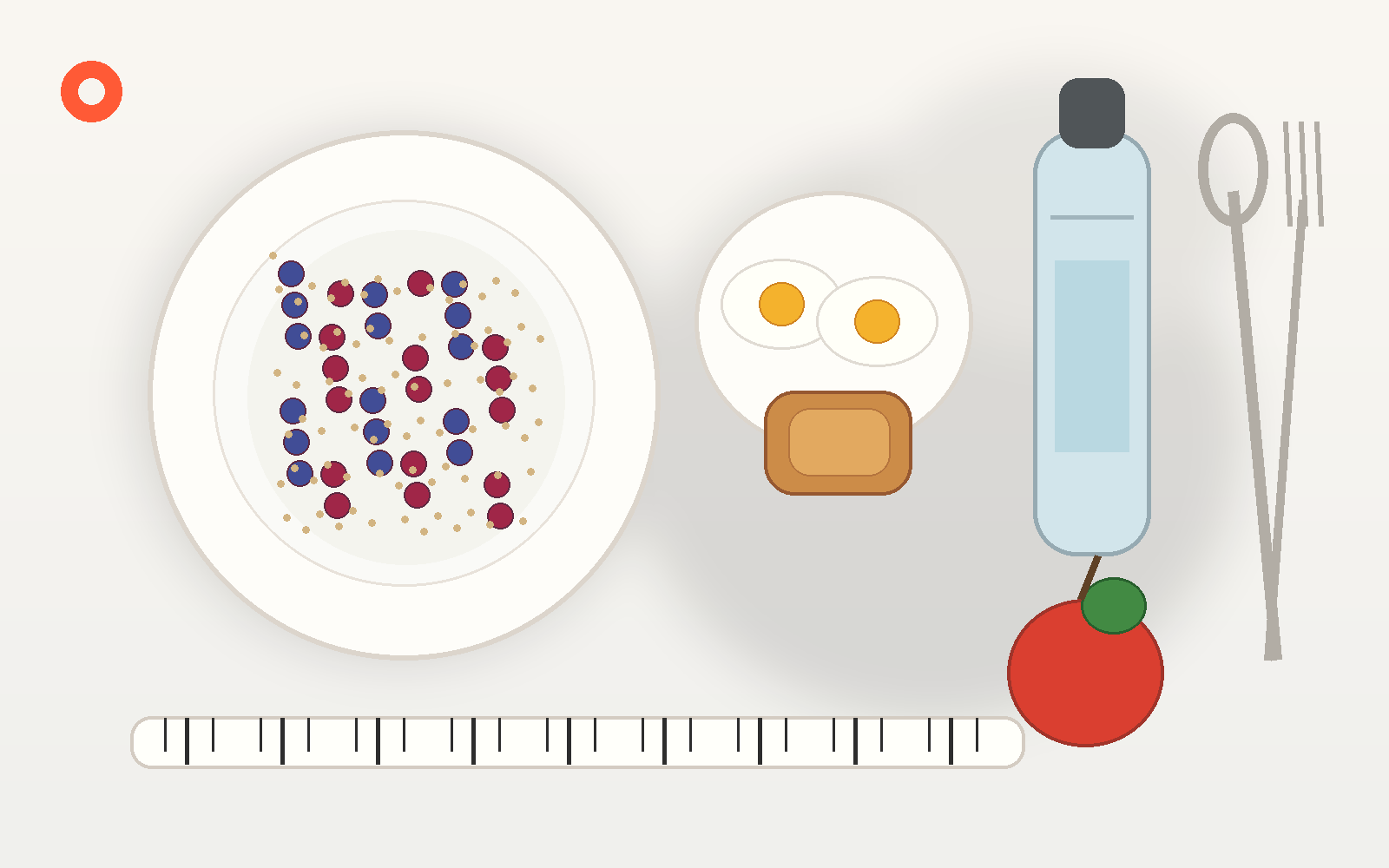
  • Bowl of yogurt with berries, eggs, toast, apple, water bottle and measuring tape on a table

    Why You Feel Hungry All Day When Trying to Lose Weight

    Feeling hungry all day when trying to lose weight does not necessarily mean you lack willpower. Very often, it means your strategy is poorly built: you eat too little, choose meals that are not filling, do not prioritize protein, or try to change everything too fast.

    Fat loss requires some level of deficit, but it should not feel like a constant fight against hunger from morning to night. If that happens, the problem is usually not that you are “bad at this,” but that you need a smarter structure.

    Quick answer

    If you feel hungry all day while trying to lose weight, check these five things: your deficit may be too aggressive, you may eat too little protein, your meals may lack volume, your sleep may be poor, or your meals may be too improvised.

    Note: this content is informational and does not replace individualized medical, nutrition, or training advice. If you have a medical condition or specific needs, consult a qualified professional.

    Some hunger can be normal. Constant hunger is not

    When you eat less than you burn, it is normal to have a bit more appetite at certain times. But if every day feels like a battle, the plan is probably too aggressive or your meals are poorly designed.

    Sustainable deficit

    Fat loss does not require eating very little. It requires eating slightly less than you burn and being able to maintain it.

    Filling meals

    The same number of calories can feel very filling or barely satisfying depending on how the meal is built.

    Daily structure

    Improvising while hungry usually works worse than having 3 or 4 reliable meals already planned.

    7 reasons you feel hungry all day when trying to lose weight

    1. Your deficit is too aggressive

    If you cut too many calories from the start, you may lose quickly for a few days, but hunger can spike. A more moderate deficit is less dramatic but much easier to sustain.

    2. You eat too little protein

    Protein helps meals feel more satisfying. If breakfast, lunch, or dinner are low in protein, it is easier to feel hungry before the next meal.

    3. Your meals have too little volume

    A small calorie-dense meal can leave you hungry. Vegetables, fruit, potatoes, legumes, soups, or plain yogurt can add volume and fullness.

    4. You eat too little at breakfast or dinner

    Some people try to save calories by eating very little in one part of the day, but then arrive too hungry and end up snacking or compensating later.

    5. You sleep poorly

    Poor sleep can increase appetite, worsen decisions, and make the process feel much harder. It is not only about food: recovery matters too.

    6. You drink calories without noticing

    Juice, alcohol, coffee drinks with extras, or calorie-containing drinks can add energy without much fullness. They are not forbidden, but they should count.

    7. You do not have clear base meals

    If every meal depends on what you feel like in the moment, hunger decides for you. Repeatable options reduce chaos and help you choose better.

    How to reduce hunger without quitting fat loss

    • Make the deficit more moderate if hunger is unbearable.
    • Add protein to your main meals.
    • Include more high-volume foods: vegetables, fruit, legumes, potatoes, or soups.
    • Plan useful snacks instead of just trying to hold on until you break.
    • Improve sleep whenever you can: it matters more than people think.

    It is not about suffering more. It is about designing better

    Many people think losing weight means tolerating hunger. But if hunger is constant, the plan usually breaks. A smarter strategy aims to lose fat with a manageable level of hunger.

    The key is to build meals that help you: enough protein, good volume, reasonable timing, and less improvisation. That does not make the process magical, but it makes it much more sustainable.

    Frequently asked questions

    Is it normal to feel hungry during fat loss?

    Some hunger can be normal, but it should not be constant or unbearable. If it is, the plan should be adjusted.

    Does eating more protein help with hunger?

    Yes, it often helps meals feel more satisfying, especially when combined with vegetables, fruit, or well-chosen simple carbs.

    Should I use a smaller calorie deficit?

    If you feel hungry all day and cannot sustain the plan, probably yes. A moderate deficit usually works better long term.

    You may also find useful

    Next step

    You do not need to feel hungry all day. You need a better structure.

    If you want to lose fat with more filling meals, less improvisation, and a clearer system, Radikal Reset is designed to help you organize the process.

    See Radikal Reset
  • Open gym bag with training shoes, towel, water bottle, jump rope, dumbbell and a healthy meal prep container with chicken, rice, broccoli and sweet potato.

    Why You\’re Not Losing Weight Even Though You Train

    Training and not losing weight can be frustrating. You feel like you are doing the work: you go to the gym, sweat, walk, or do cardio, but the scale barely moves. Then the question appears: “Am I doing something wrong?”

    The short answer is that training helps a lot, but it does not guarantee fat loss on its own. To lose fat, your food, daily activity, recovery, and consistency need to work together. If one piece is missing, training may not turn into the change you expect.

    Quick answer

    If you train but are not losing weight, the most common reasons are: you are not in a calorie deficit, you eat more after training, you move less during the rest of the day, you measure progress poorly, or you expect changes too quickly.

    Note: this content is informational and does not replace individualized medical, nutrition, or training advice. If you have a medical condition or specific needs, consult a qualified professional.

    Training is not the same as being in a deficit

    This is the main point. Training improves your health, strength, fitness, and energy expenditure. But if you still eat more than you burn, weight loss will not happen. That is not lack of effort; it is lack of alignment.

    Exercise helps

    But it may not add as much as you think, especially if the rest of your day is very sedentary.

    Hunger can increase

    Some people eat more after training and unknowingly cancel out part of the deficit.

    Weight fluctuates

    Training can increase temporary water retention, especially when starting strength work or increasing intensity.

    7 reasons you are not losing weight even though you train

    1. You are not in a calorie deficit

    You can train four or five days per week and still not lose fat if your total intake matches or exceeds your expenditure.

    2. You eat more after training

    It is common to feel that you “earned it” after a hard session. The problem appears when that extra food exceeds what you burned while training.

    3. You move less during the rest of the day

    Some people train for an hour but spend the rest of the day sitting. Daily activity outside training also matters.

    4. You only look at the scale

    If you do strength training, you may improve body composition even if weight does not drop quickly.

    5. You do not prioritize protein

    Training without enough protein can leave you hungrier and recovering poorly.

    6. You sleep too little or manage stress poorly

    Poor sleep can increase hunger, reduce energy, worsen decisions, and limit recovery.

    7. You change plans too soon

    A reasonable plan needs continuity before you judge it.

    What to do if you train and see no change

    • Review your actual intake, not just whether you eat “healthy”.
    • Increase protein and build more filling meals.
    • Walk more and improve daily activity outside workouts.
    • Measure progress with several signals: average weight, measurements, photos, and clothing.
    • Keep the plan for several weeks before changing everything.

    Training works better when it is not alone

    Training is one of the best decisions you can make, but changing your body also requires appropriate nutrition, some organization, and enough consistency.

    If you train and do not see results, it does not mean training is useless. It probably means the whole system needs adjustment.

    Frequently asked questions

    Why do I train and weigh the same?

    It may be lack of deficit, water retention, early muscle gain, or measuring progress with too little data.

    Do I need to do more cardio?

    Not necessarily. It can help, but first review food, daily activity, and consistency.

    How long should I wait to see results?

    It is better to observe trends over several weeks. Judging after a few days usually leads to the wrong conclusion.

    You may also find useful

    Next step

    Training helps. But a complete structure helps much more.

    If you want to stop training blindly and start organizing food, activity, and habits, Radikal Reset is designed to give you a clearer and more sustainable structure.

    See Radikal Reset