How to build healthy habits without changing your whole life overnight.
You do not need to become a completely different person by Monday. If you want habits that last, start smaller, repeat them more often and build a structure that survives real life.
Most people do not fail because they are incapable of changing. They fail because they try to change everything at once. They go from no training to six workouts, from random meals to a strict diet, from low activity to daily cardio, and from no routine to a perfect lifestyle.
That kind of change can feel exciting for a few days, but it is difficult to repeat. Real progress usually comes from smaller habits that become easier to maintain: training on planned days, eating enough protein, walking more, preparing simple meals and recovering quickly when a day goes wrong.
Do not build the perfect lifestyle. Build the next repeatable action.
A habit is not strong because it looks impressive. It is strong because you can repeat it when you are busy, tired, unmotivated or imperfect.
7 healthy habits to build first
Start with habits that create structure. You do not need all of them at once. Choose one or two and repeat them until they feel normal.
Do not wait to feel motivated. Choose the days you train and make them part of your week.
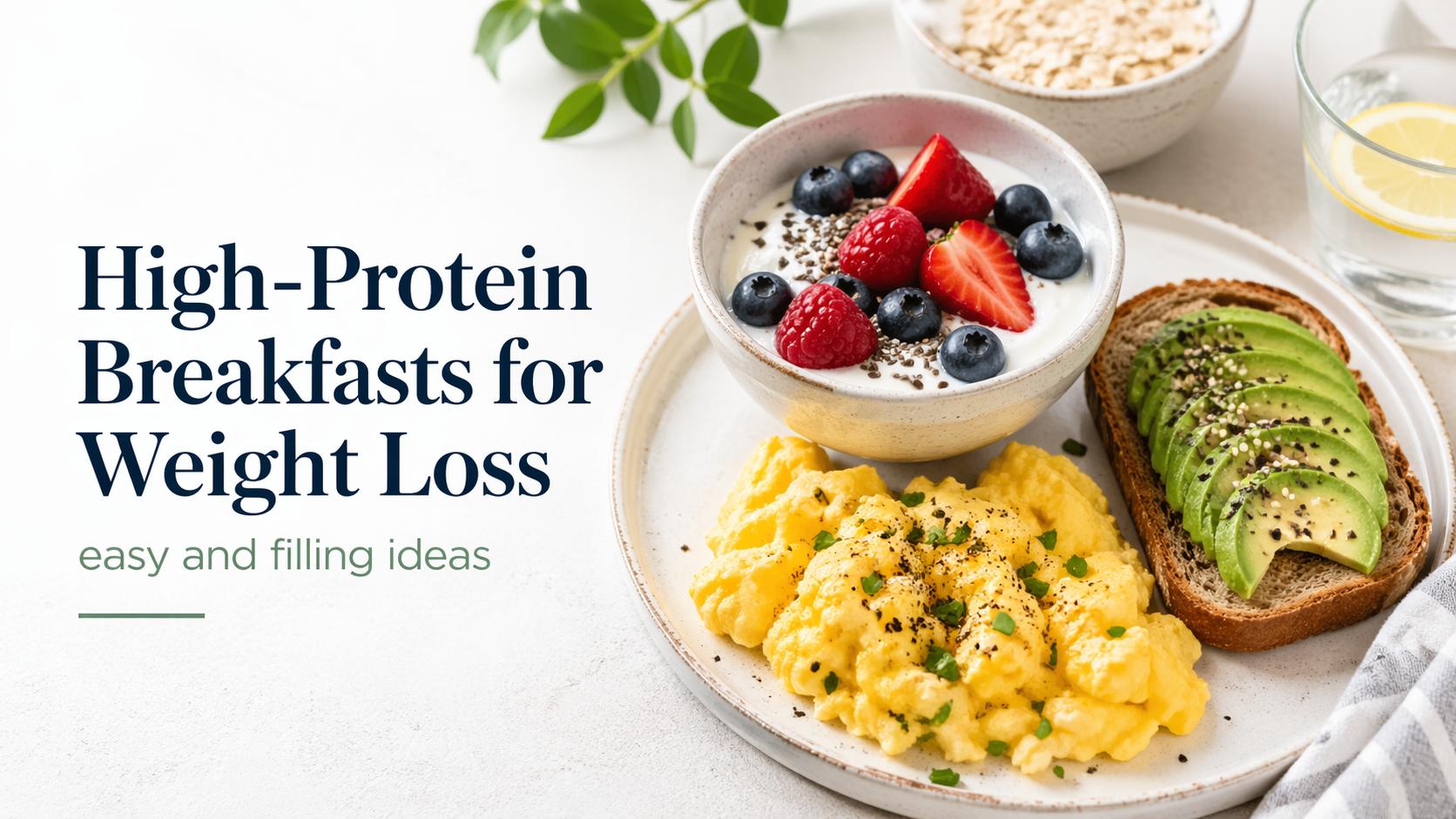
Protein helps with satiety, muscle retention and meal structure. It is one of the simplest upgrades you can make.
You do not need to start with huge step goals. Add 10 minutes or 1,000-2,000 steps above your current average.
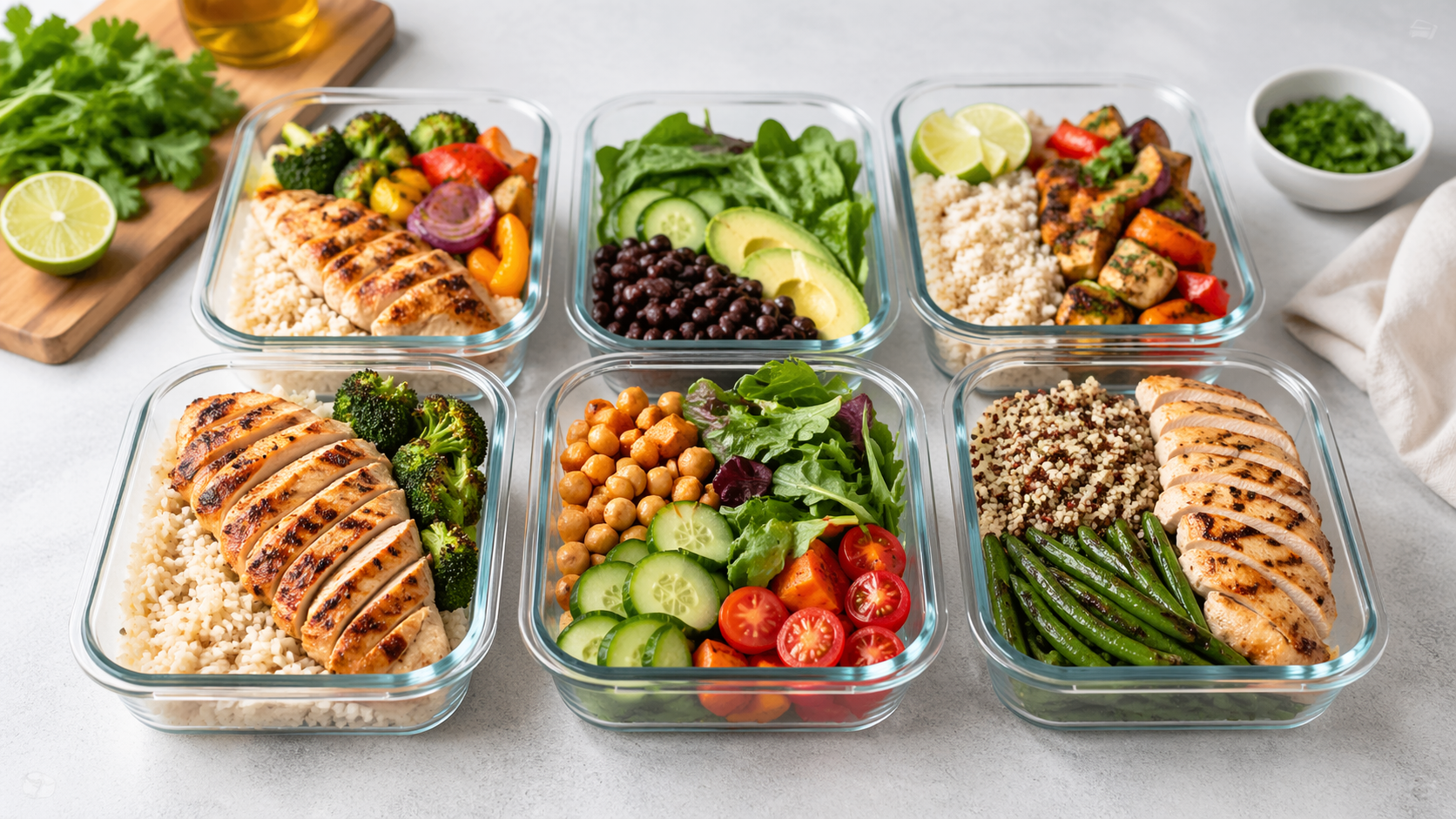
A simple option like Greek yogurt and fruit, eggs, tuna and potatoes, or cooked chicken can save a chaotic day.
When the full plan is impossible, do the smallest useful version instead of disappearing completely.
Decide when you train, what you eat first and what obstacle is most likely to appear.
One missed workout or one imperfect meal should not become a full restart next Monday.
Consistency is not a personality trait. It is a system.
You do not become consistent by waiting to feel disciplined every day. You become consistent by making the next action easier to repeat.
Why changing everything at once usually fails
A full lifestyle overhaul creates too much friction. Every meal becomes a decision, every workout feels like a test, and every mistake feels like proof that you are failing.
If you expect perfection, normal life will feel like failure.
When the plan is extreme, one missed action can make people abandon the whole process.
When you change training, food, sleep, steps and supplements all at once, you cannot tell what matters most.
The 2-habit rule
If you are starting again, choose only two habits for the next 7 days:
- one movement habit;
- one nutrition habit.
For example: train three days and add protein to breakfast. Or walk 20 minutes and prepare one high-protein dinner. Small enough to complete, useful enough to matter.
Example: a simple first week of habits
Train 3 days or walk 20 minutes
If training feels too much right now, start with walking. If you can train, choose three fixed days and keep the sessions moderate.
Add protein to two meals per day
Do not try to perfect your whole diet first. Start by making your meals more filling and structured.
Prepare tomorrow before bed
Decide your first meal, your training window or your walking time before the day starts.
Common mistakes when building healthy habits
Too many changes create pressure and confusion. Start with fewer actions and repeat them.
“Eat better” is not clear enough. “Add protein to lunch” is easier to follow.
Motivation changes. Your habits need triggers, reminders and a realistic minimum version.
A missed day is not a failed identity. Continue with the next useful action.
Related guides
Continue with these guides if you want to build consistency without depending on motivation.
Radikal Reset turns training, nutrition and habits into one 8-week structure.
You do not need to change your whole life overnight. You need a structure that helps you repeat the right actions long enough to see change.